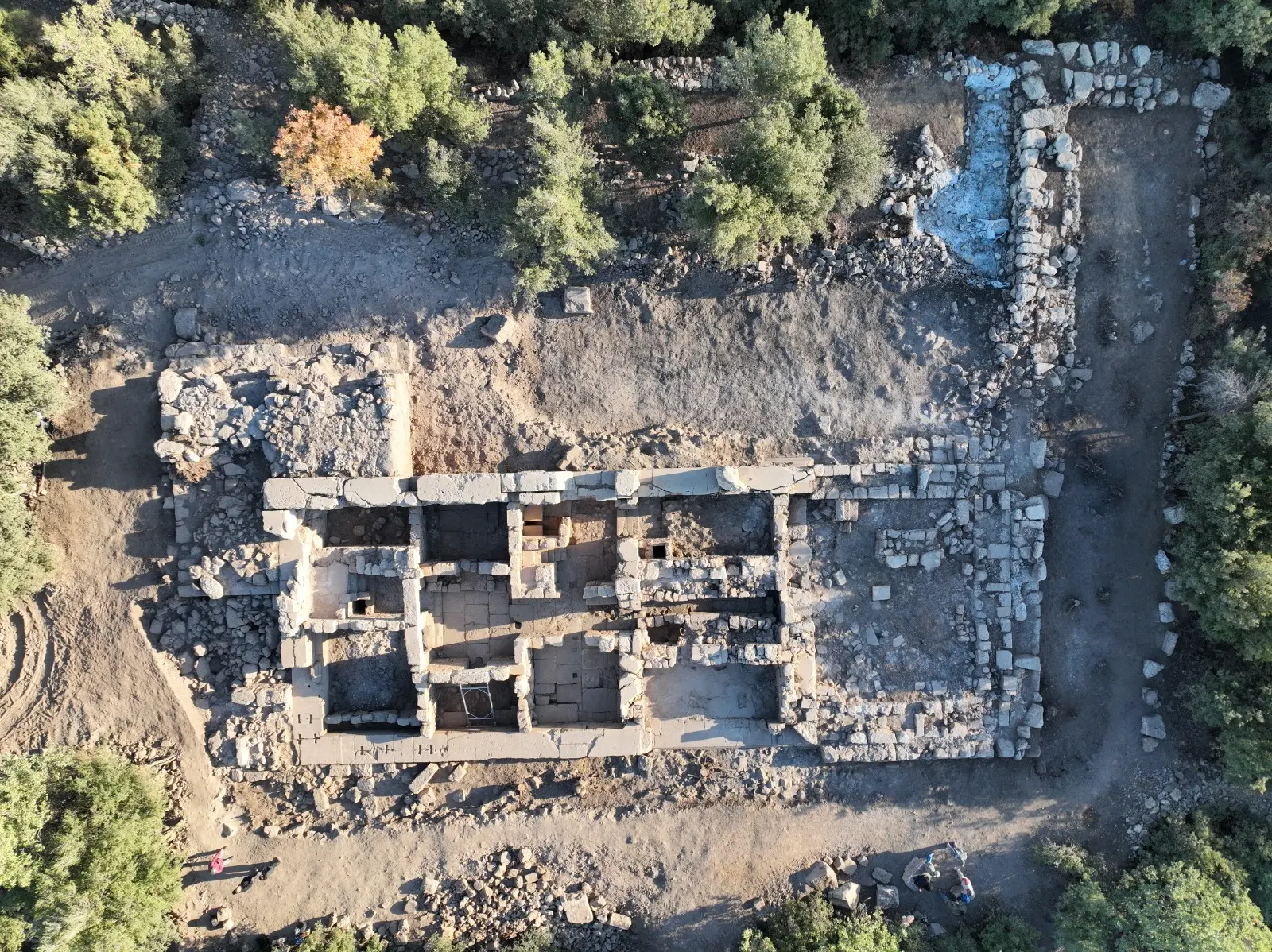
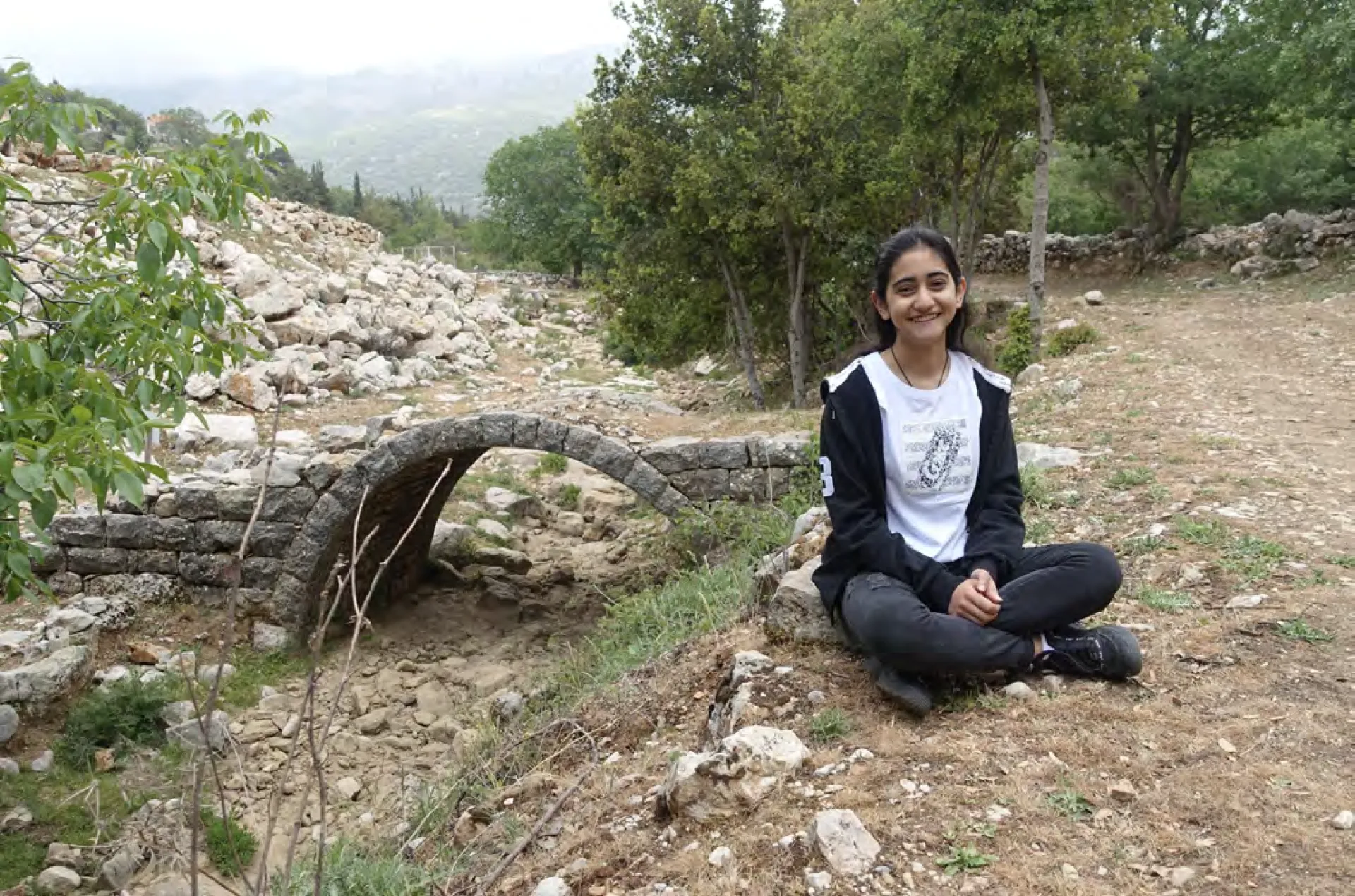
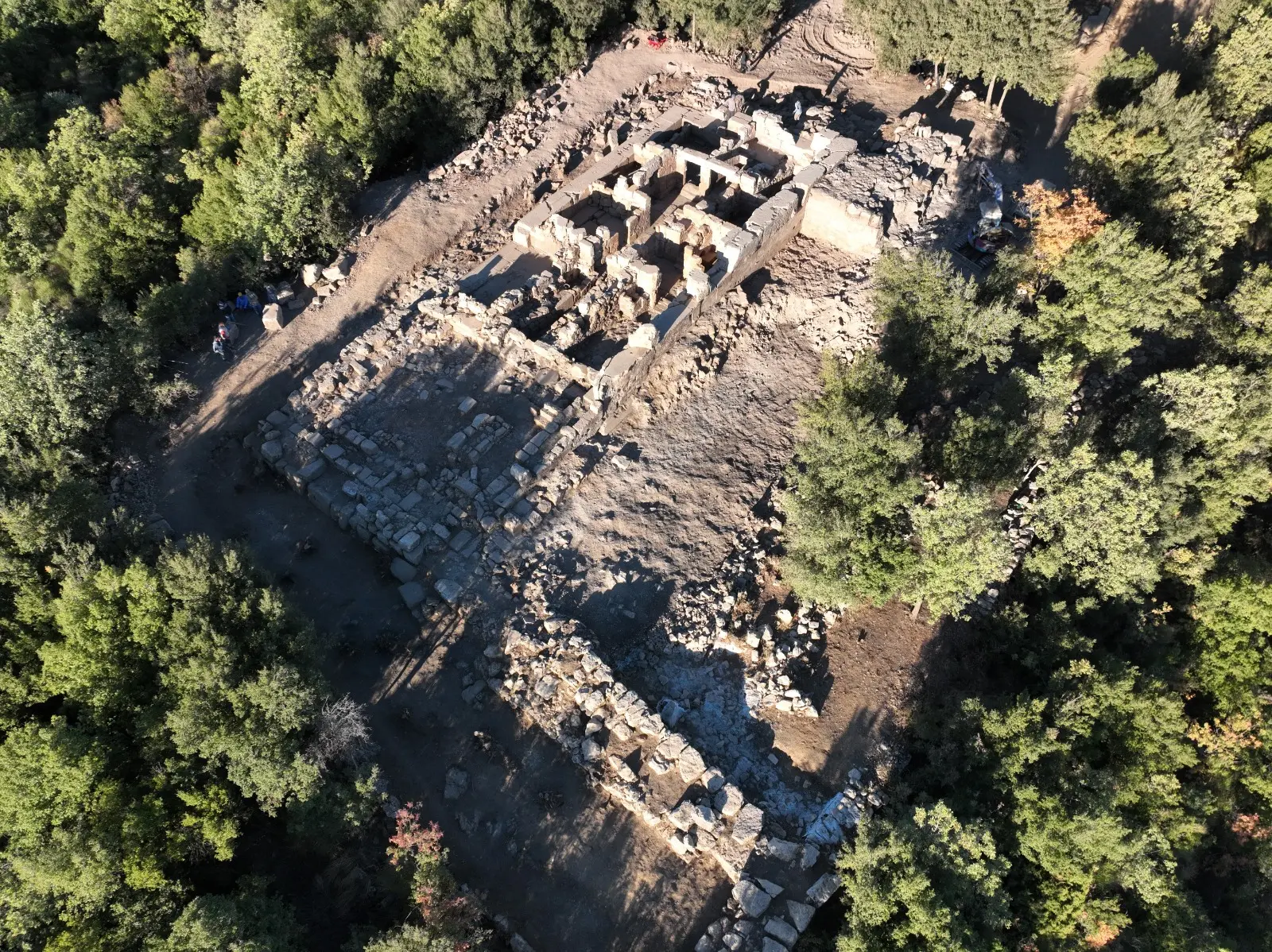
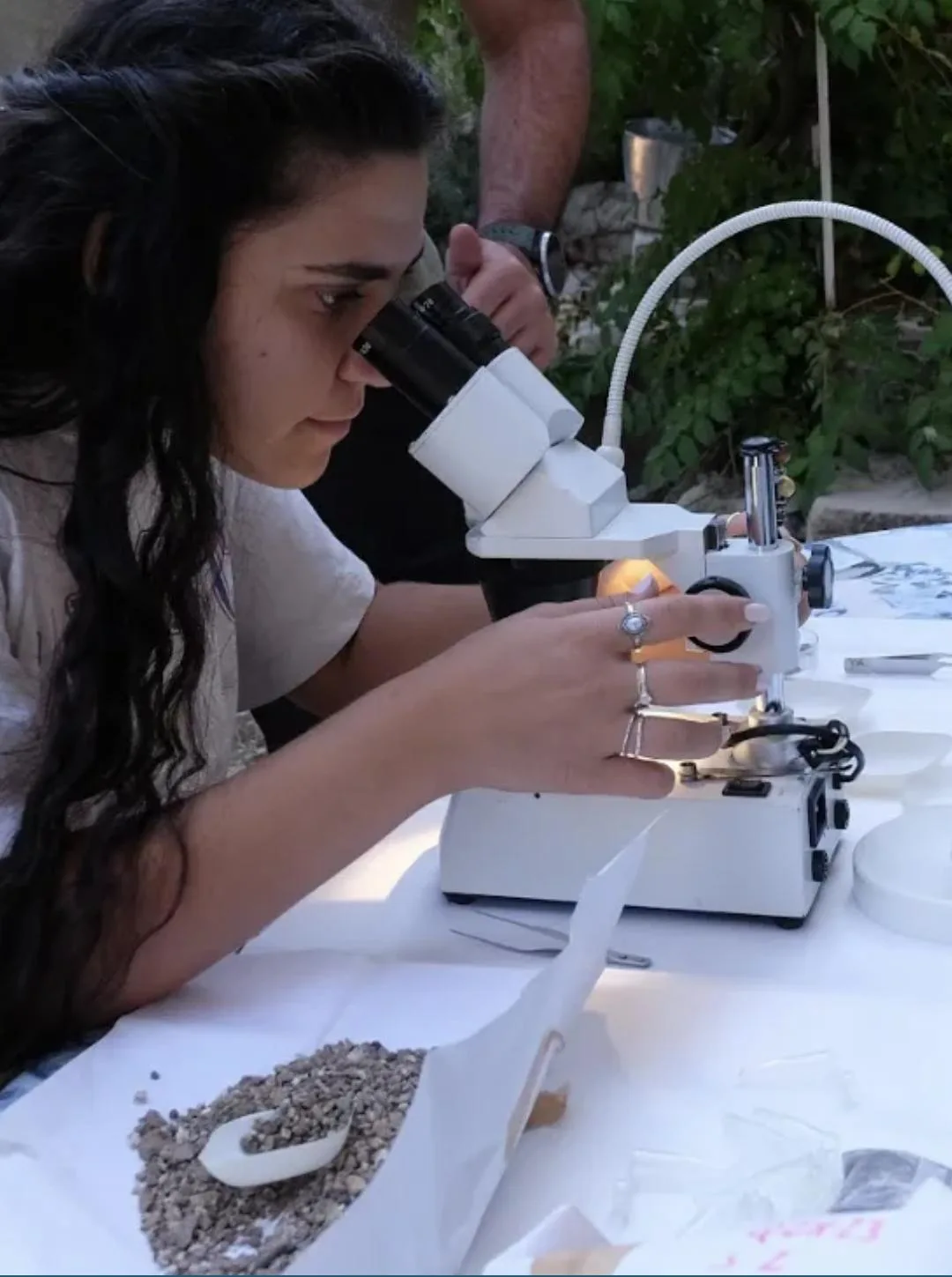
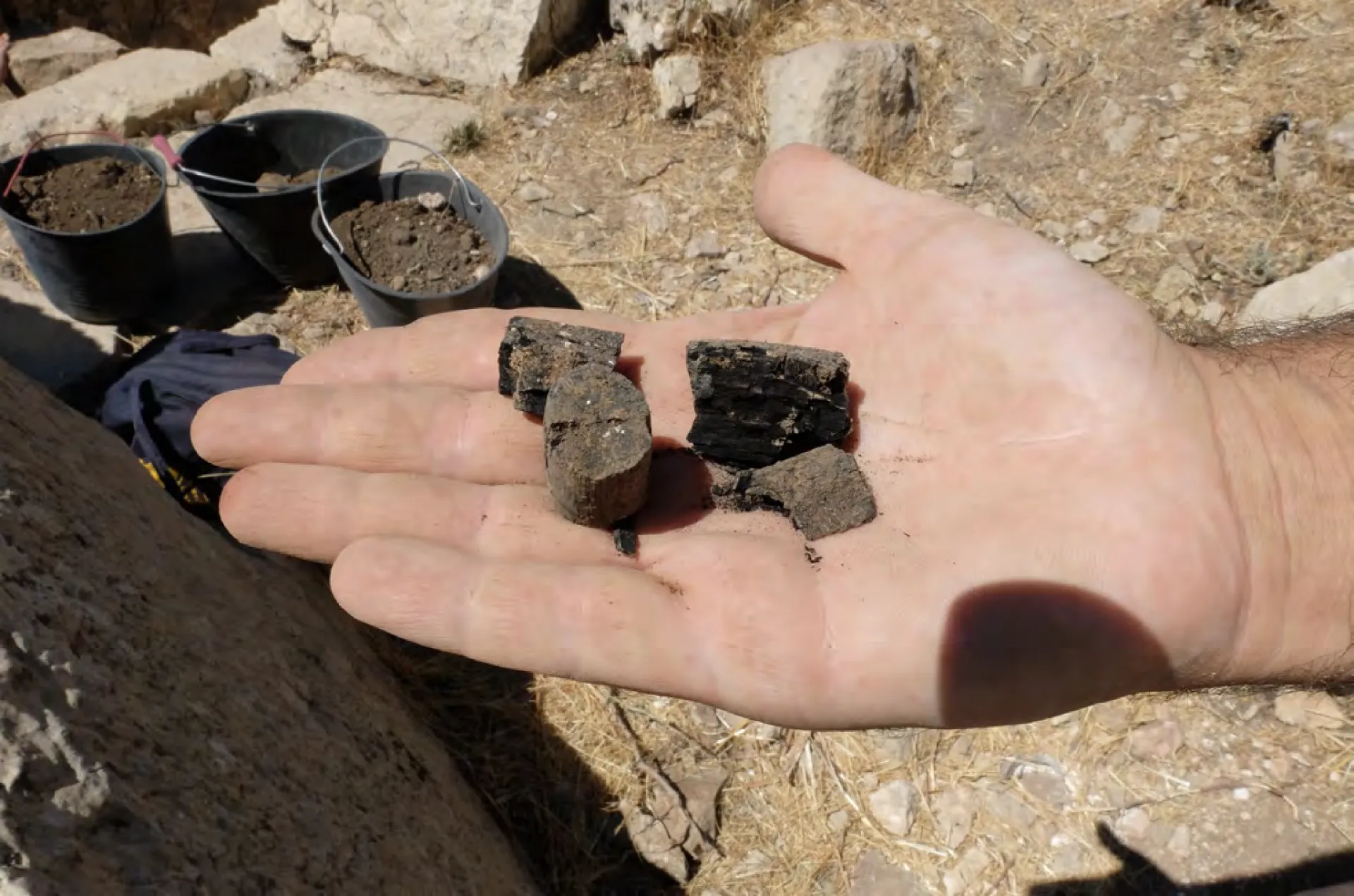
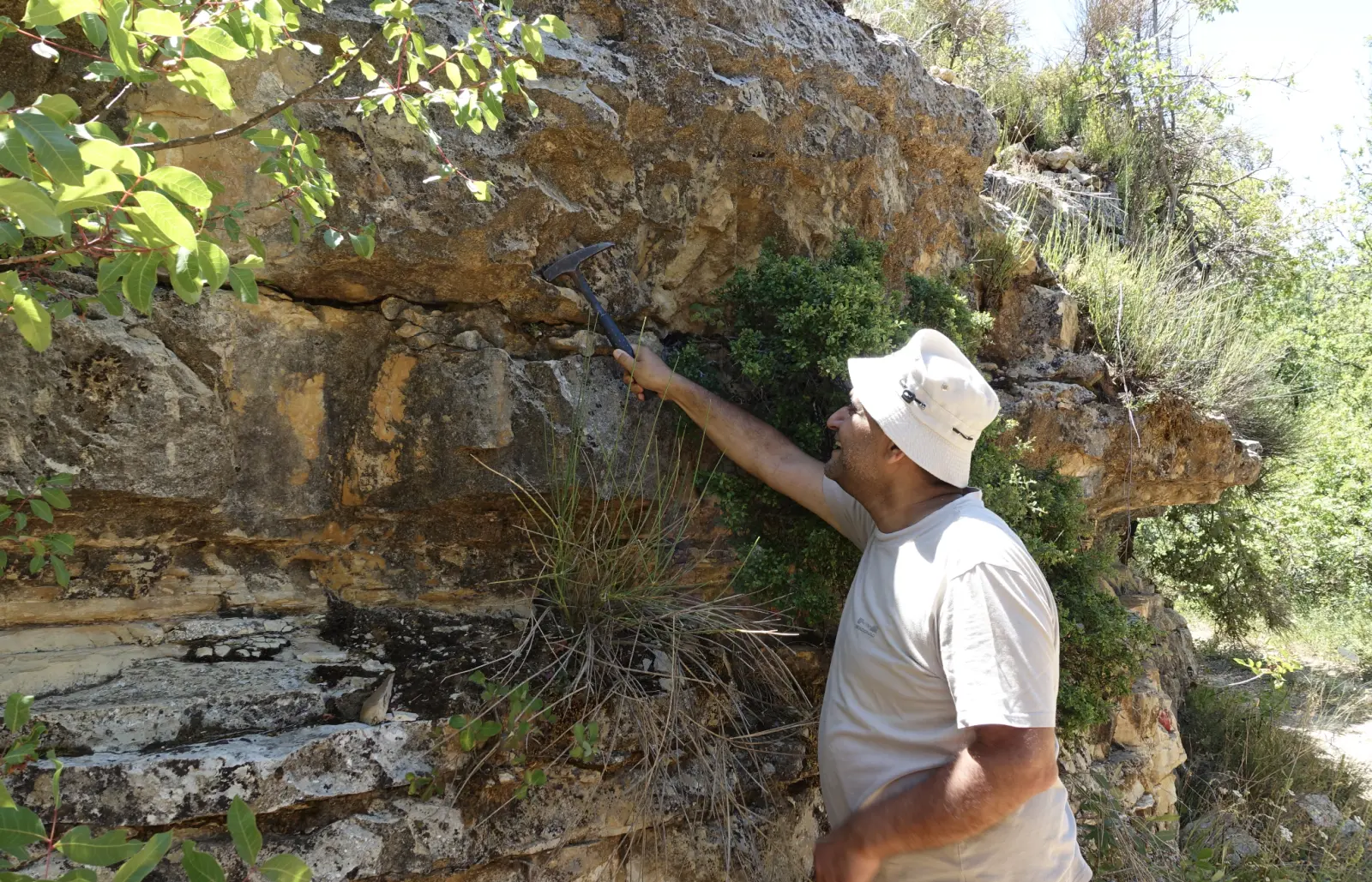
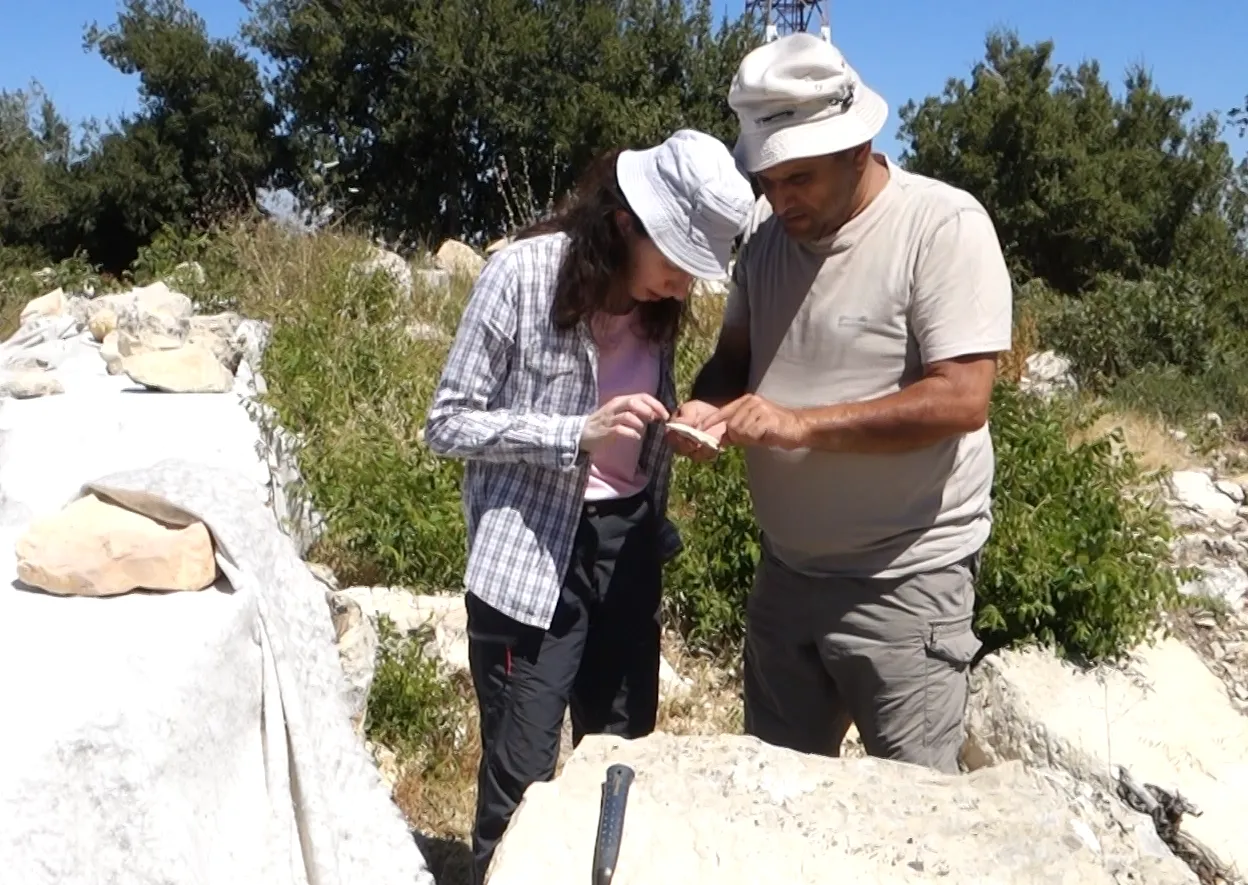
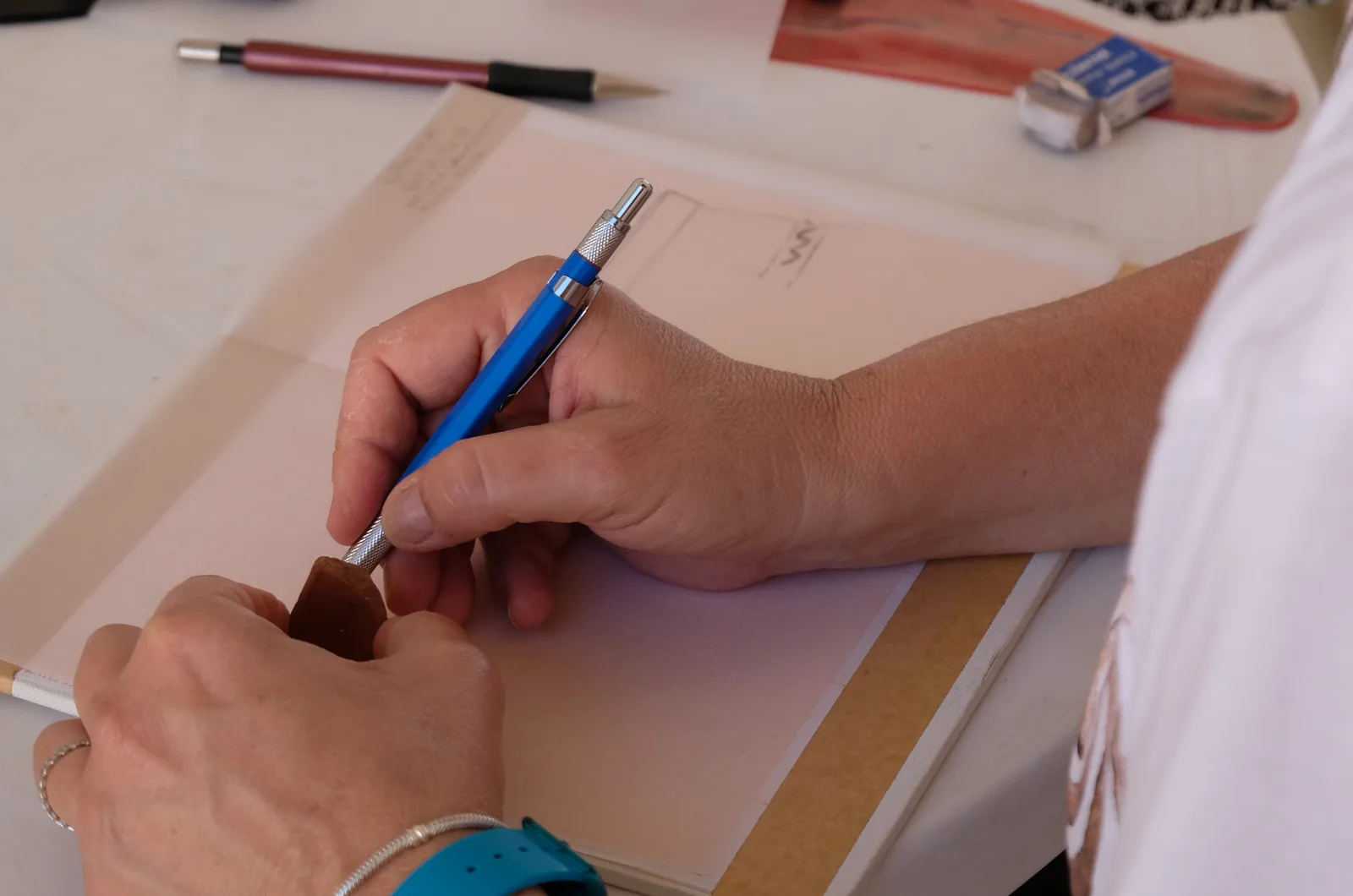
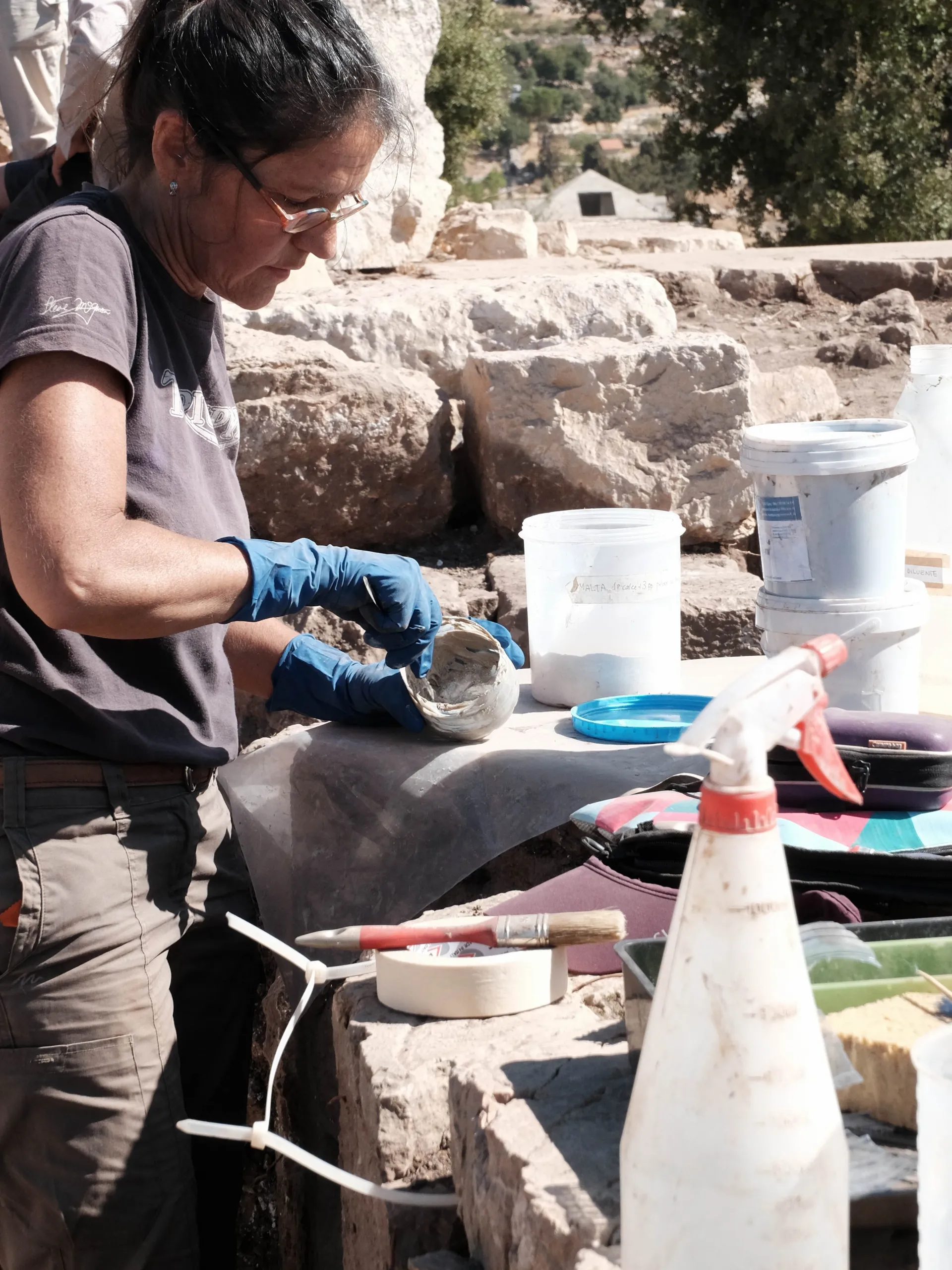
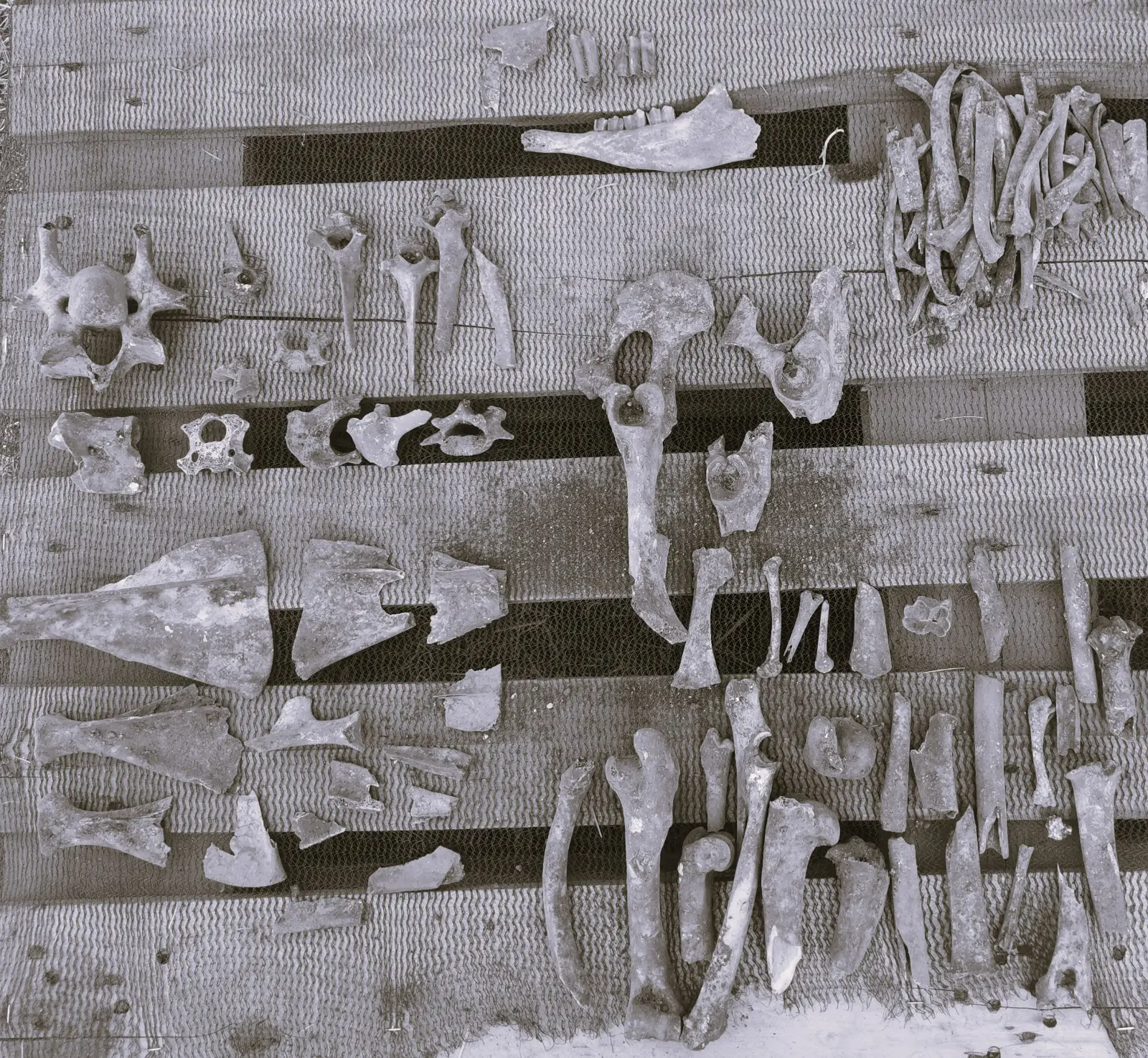
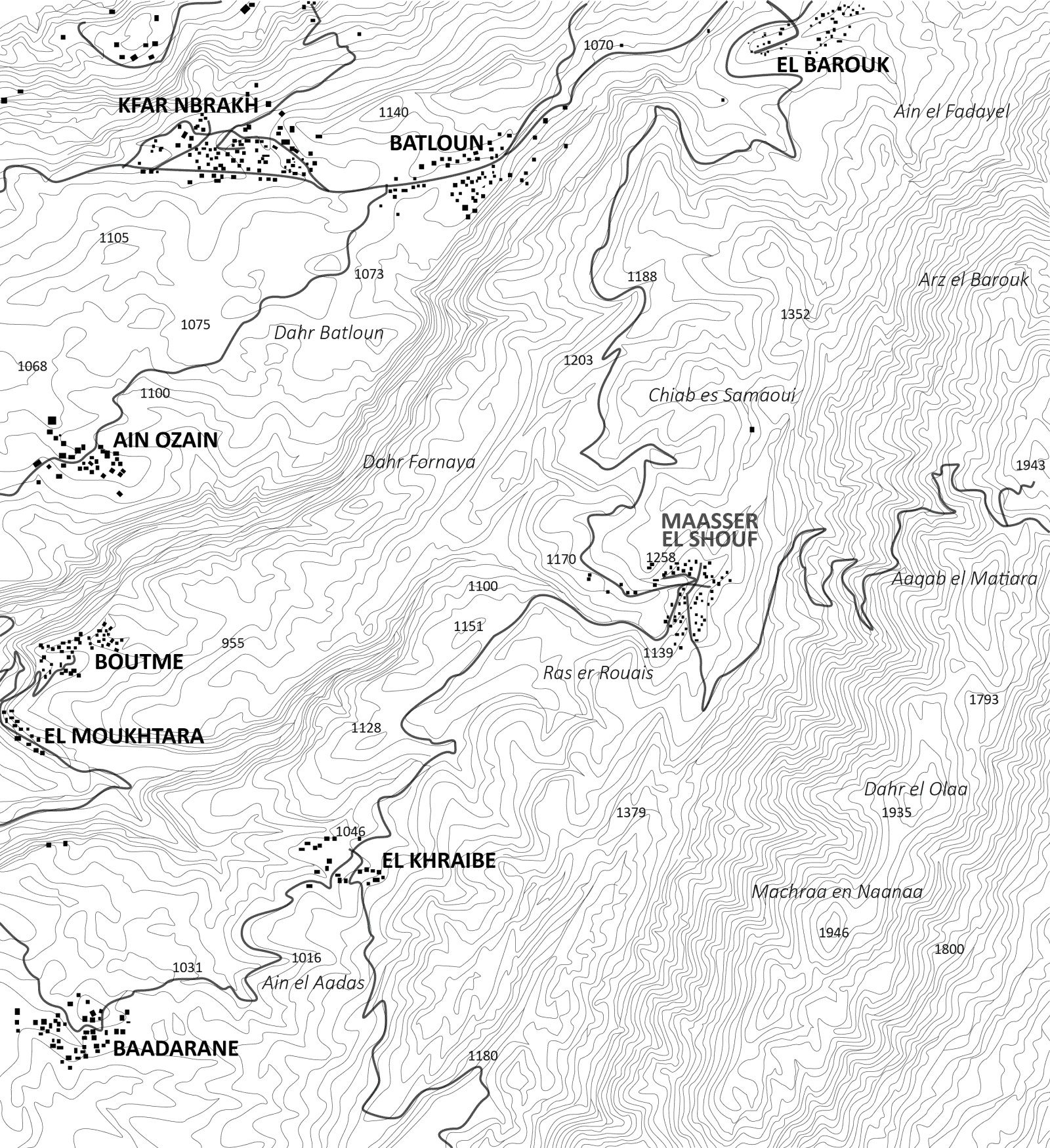
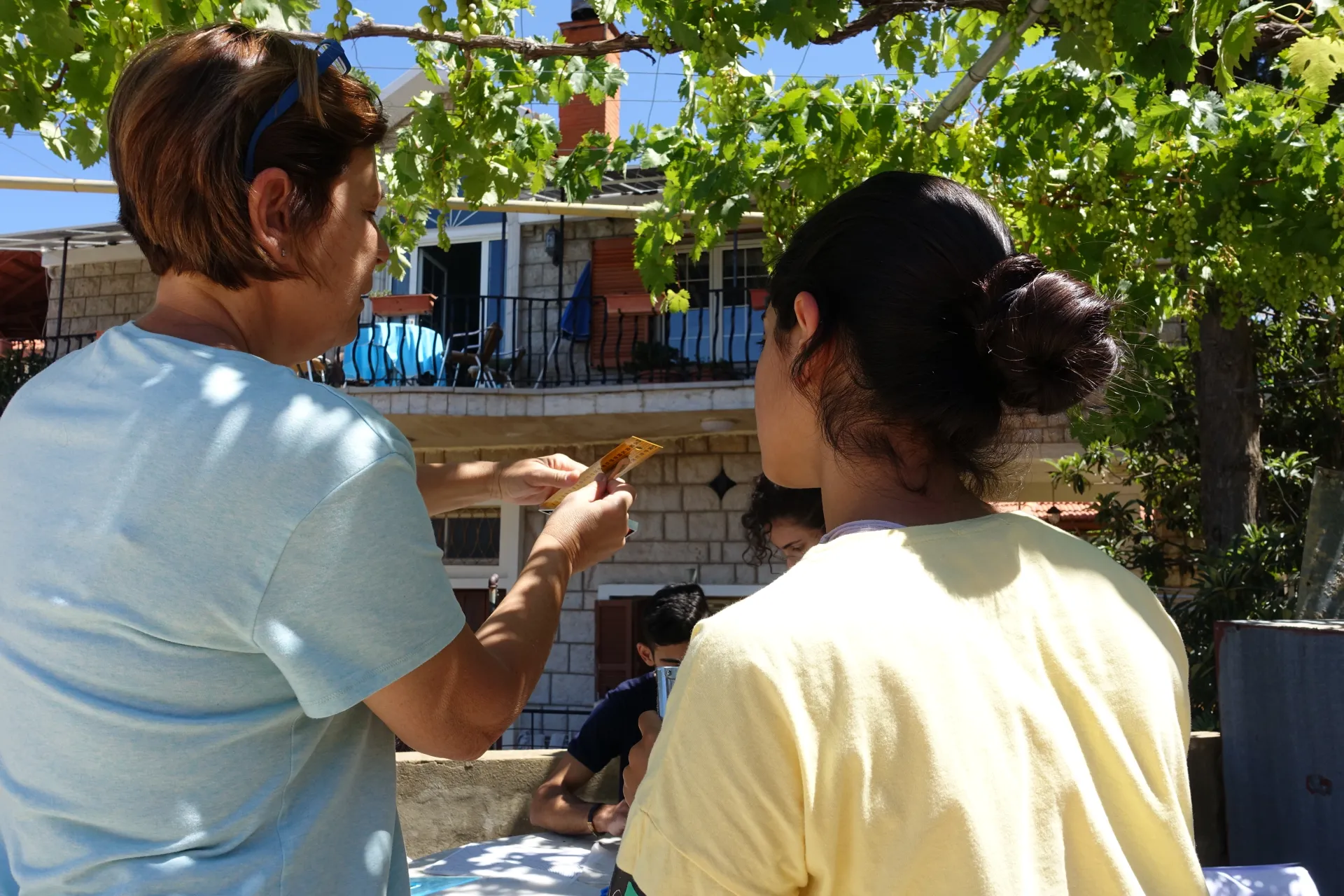
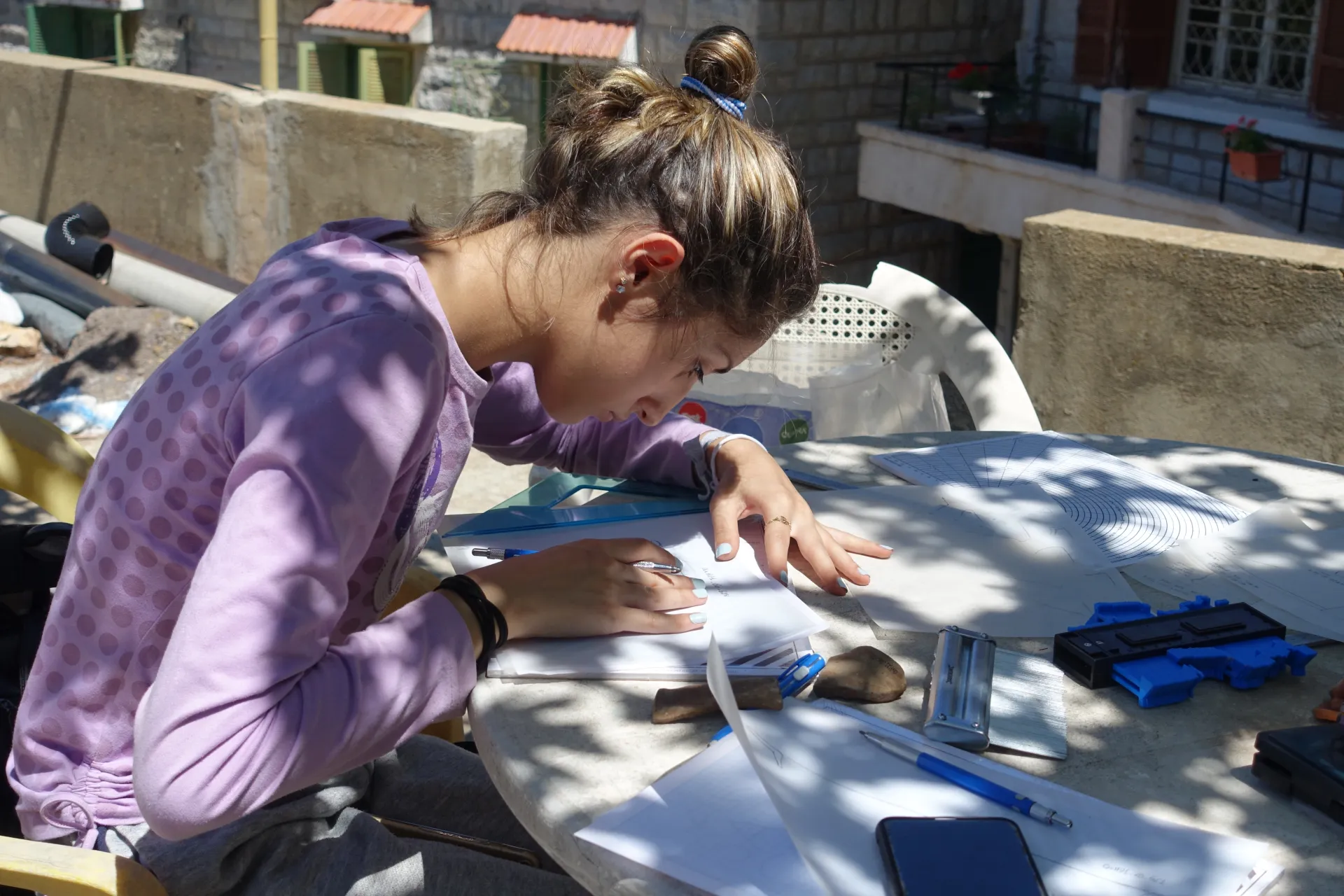
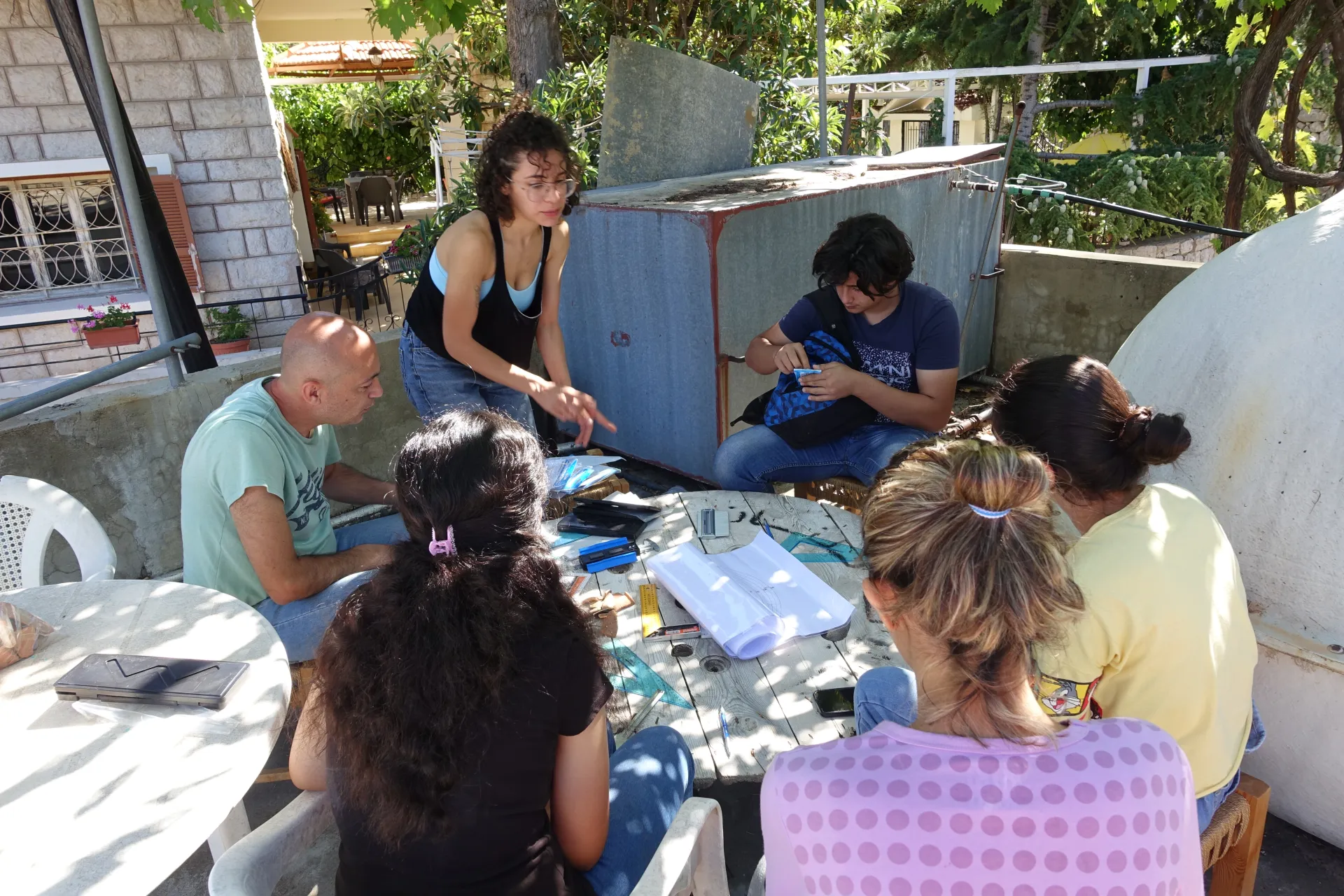
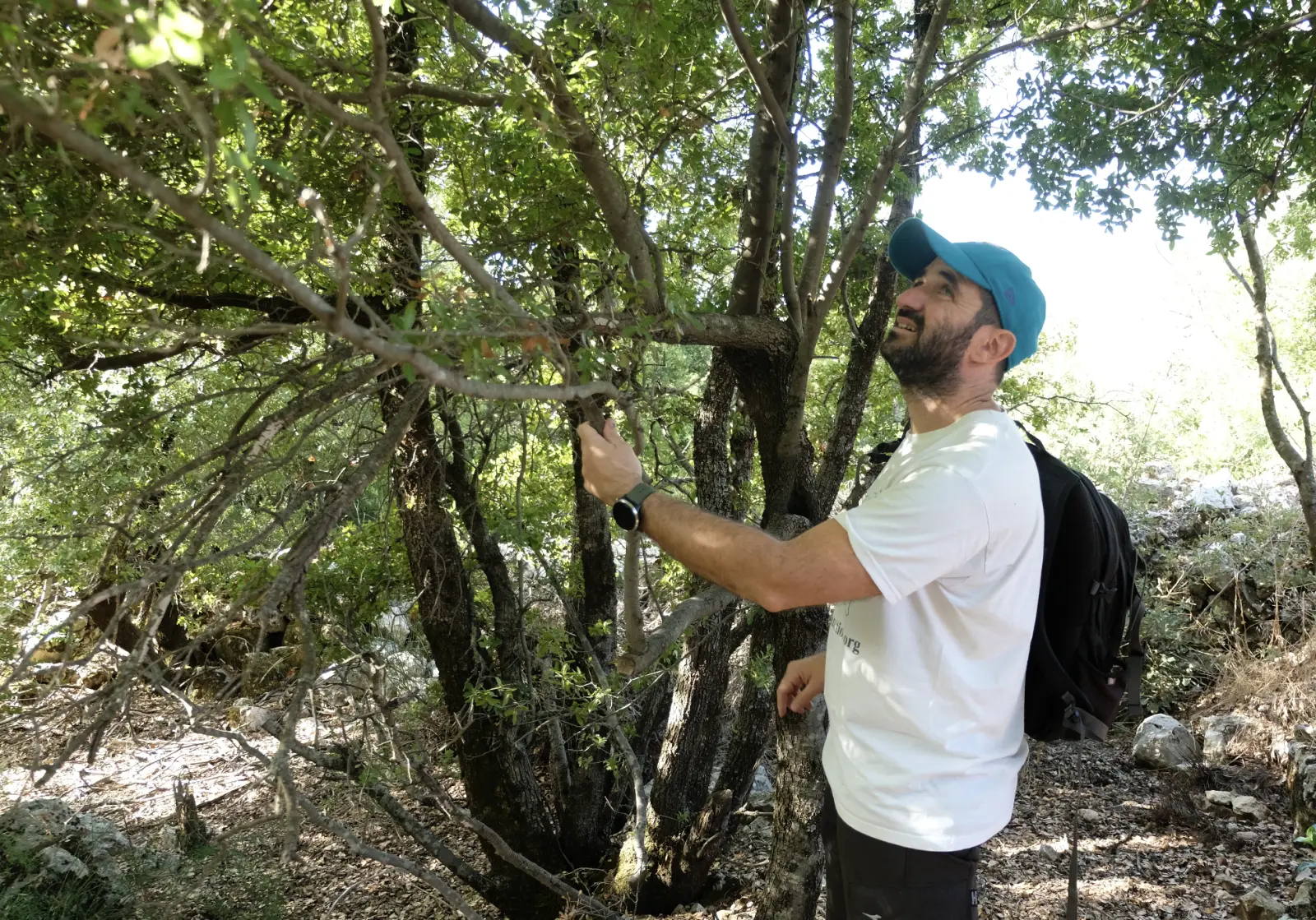
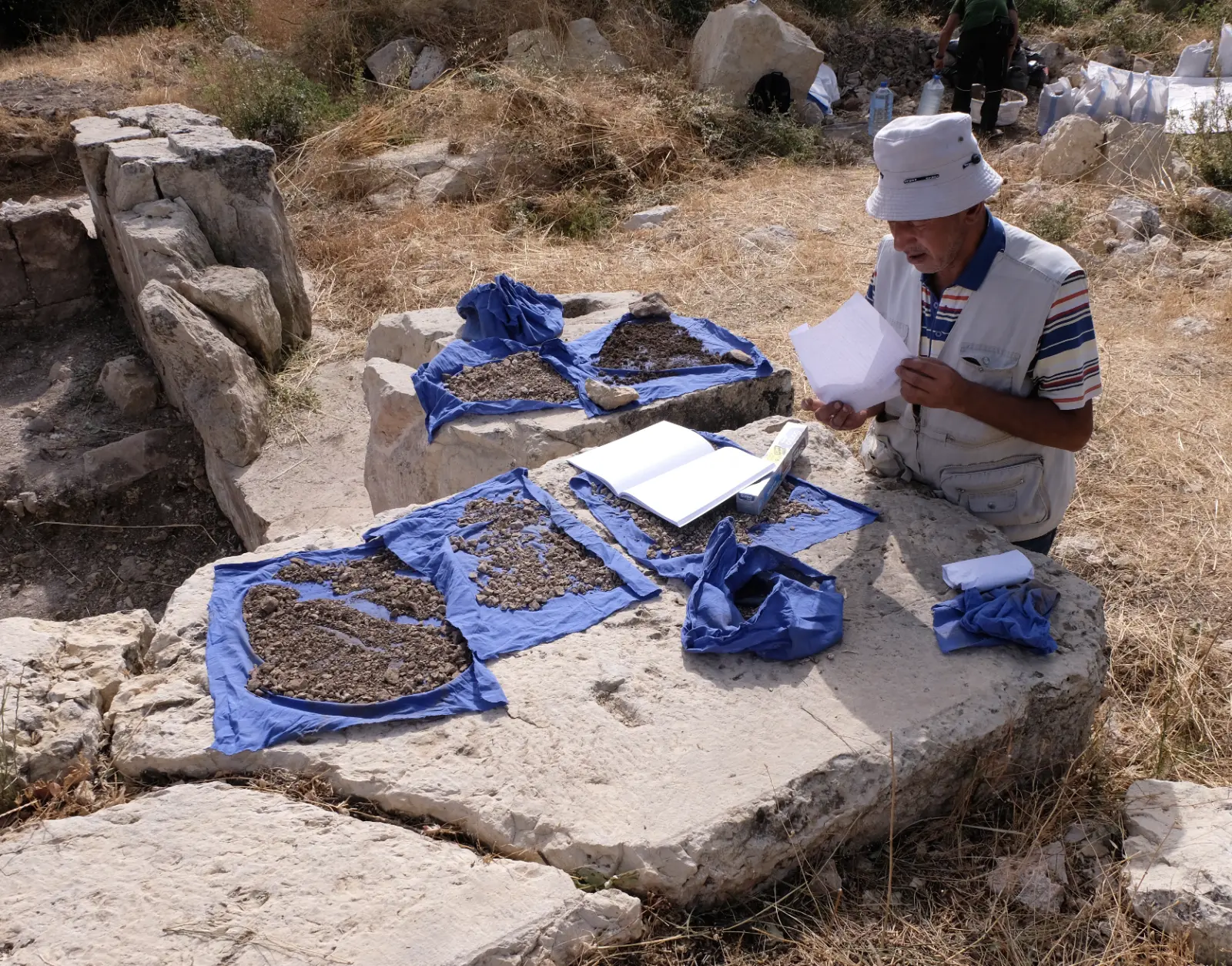
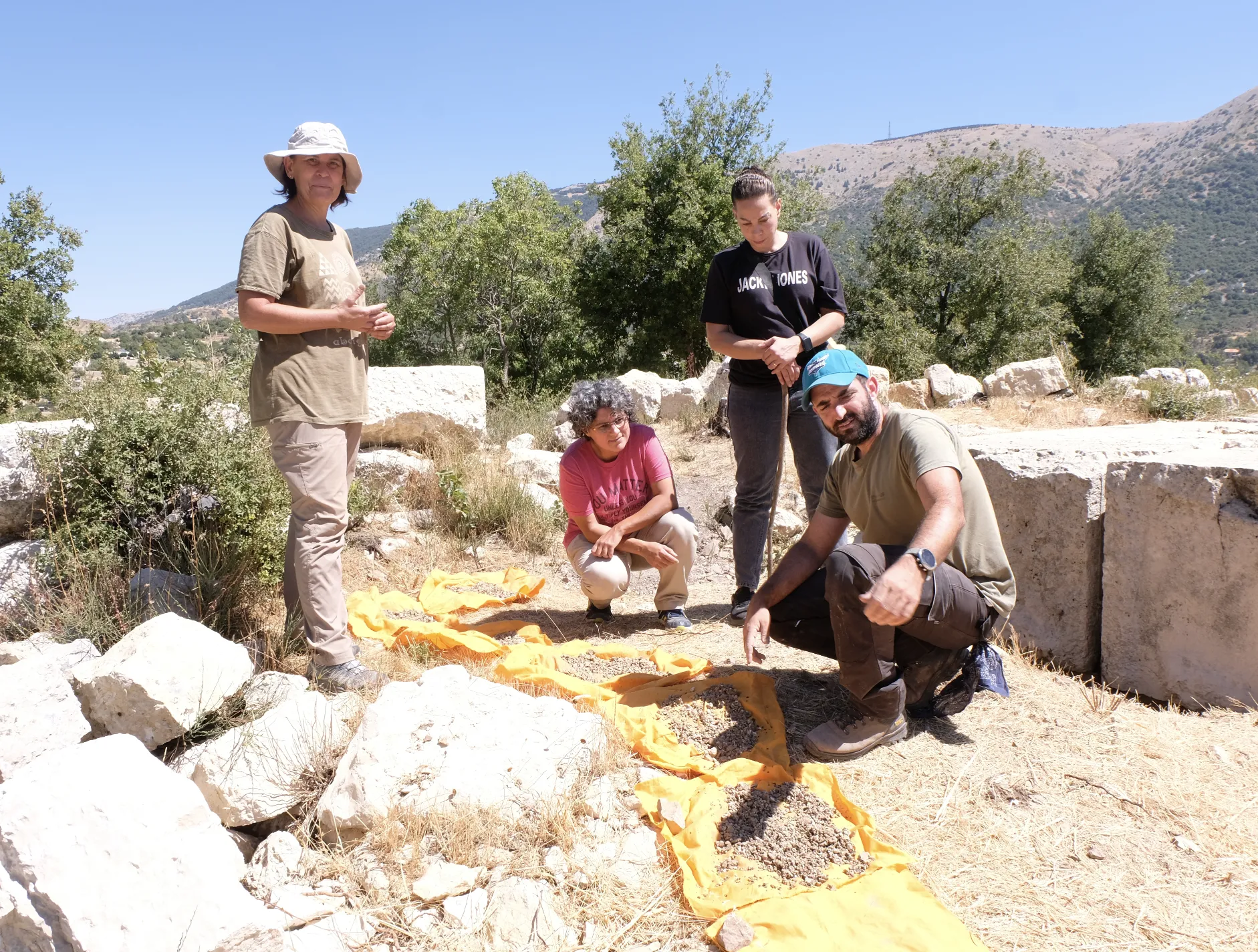
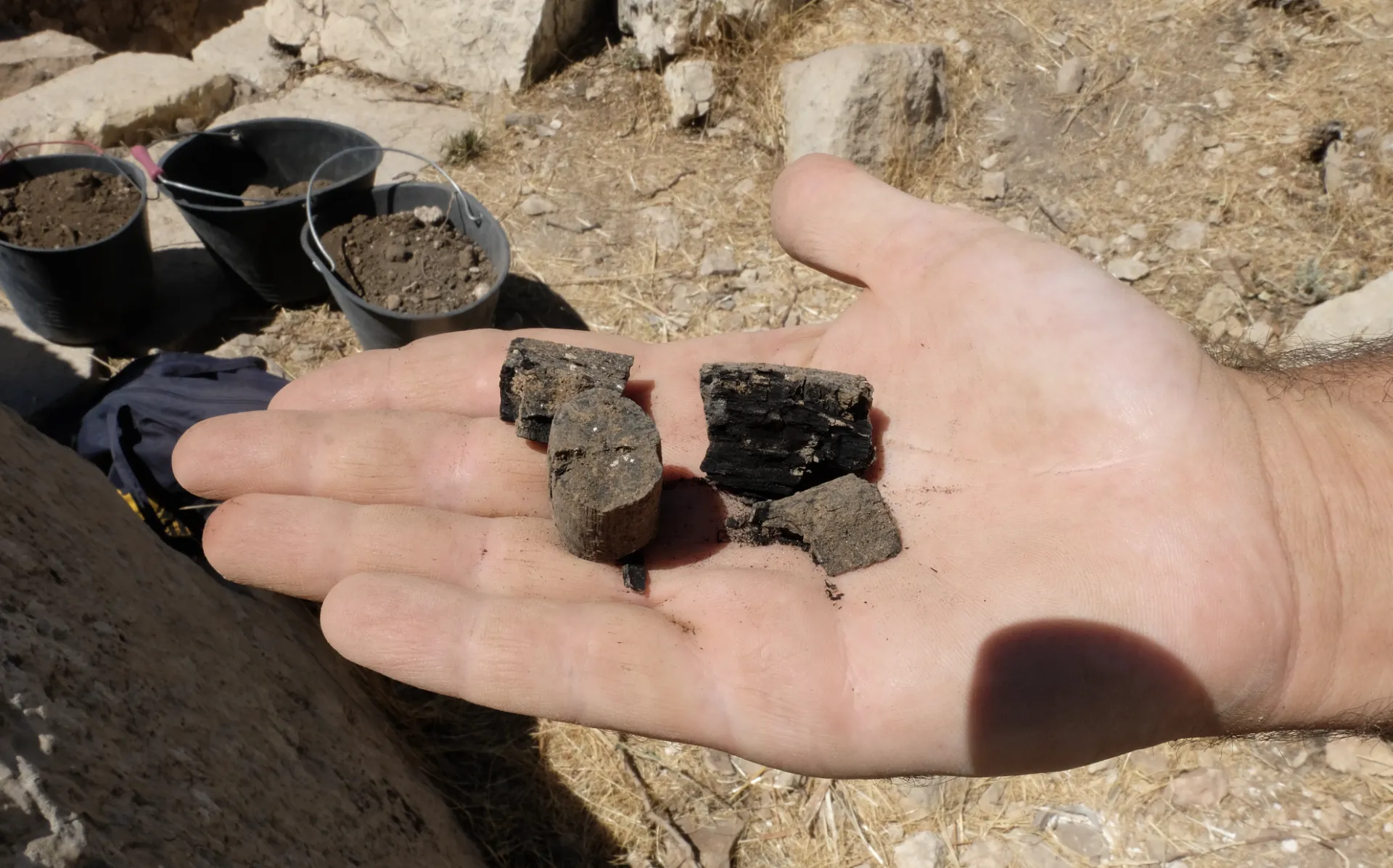
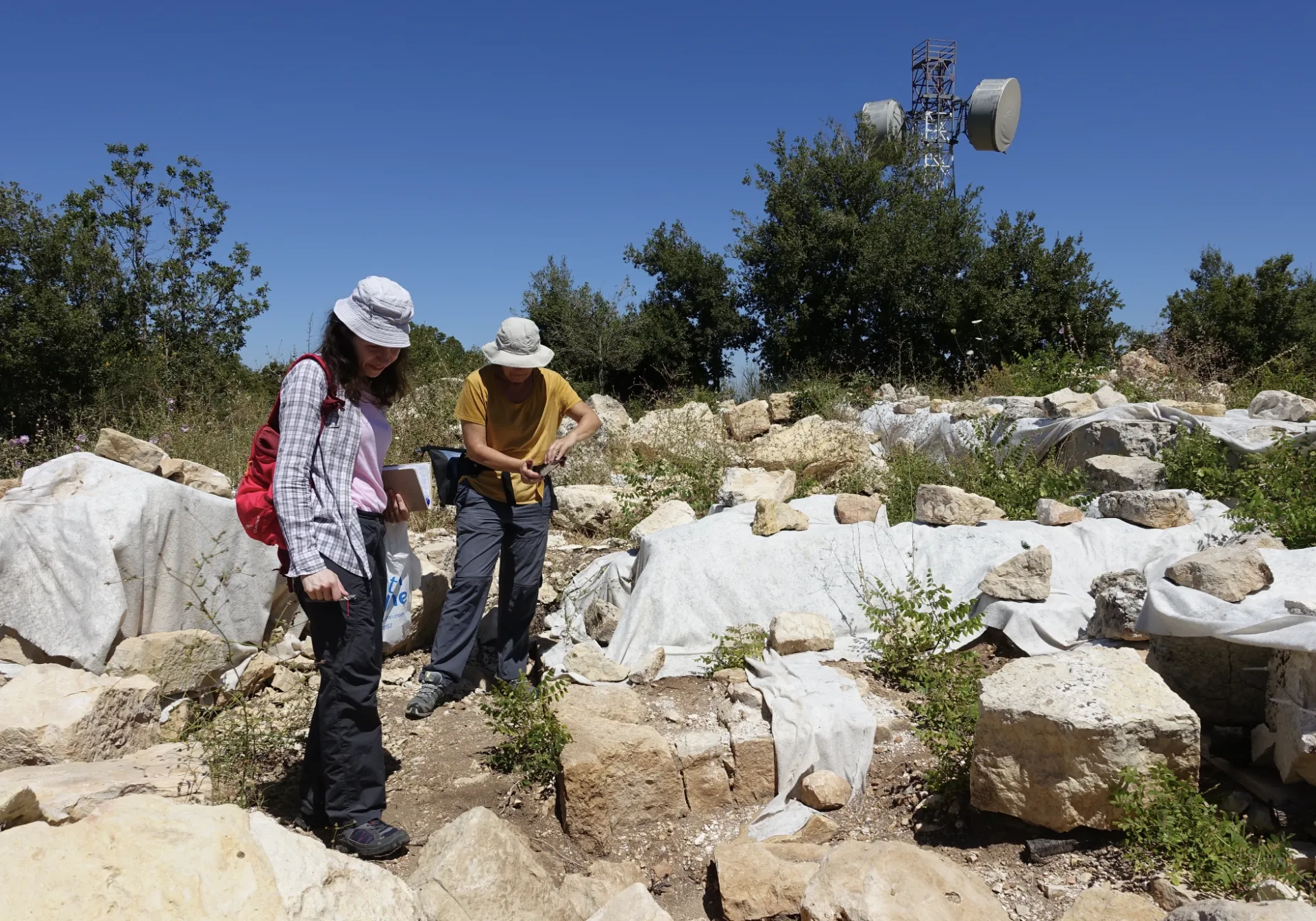
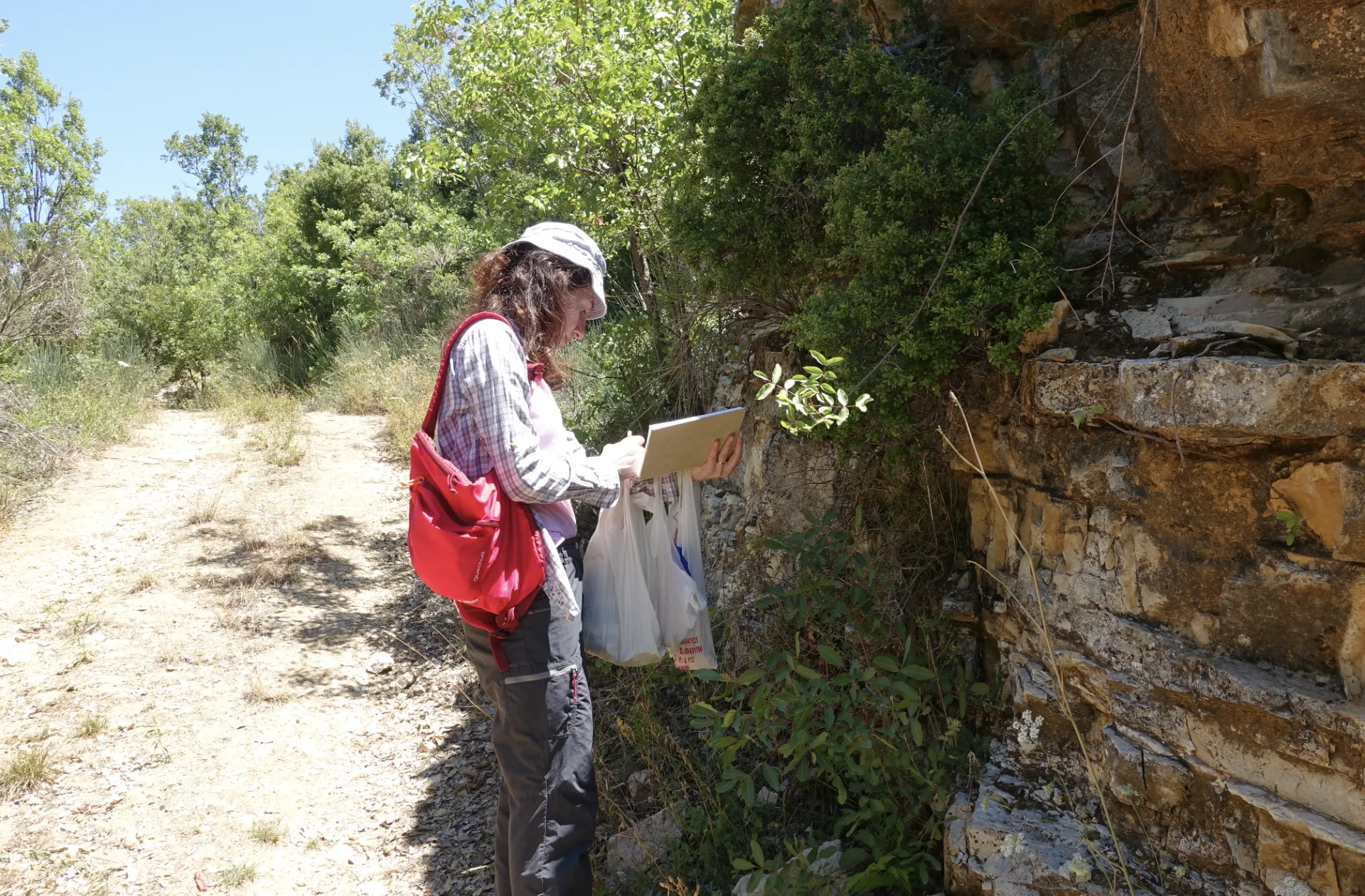
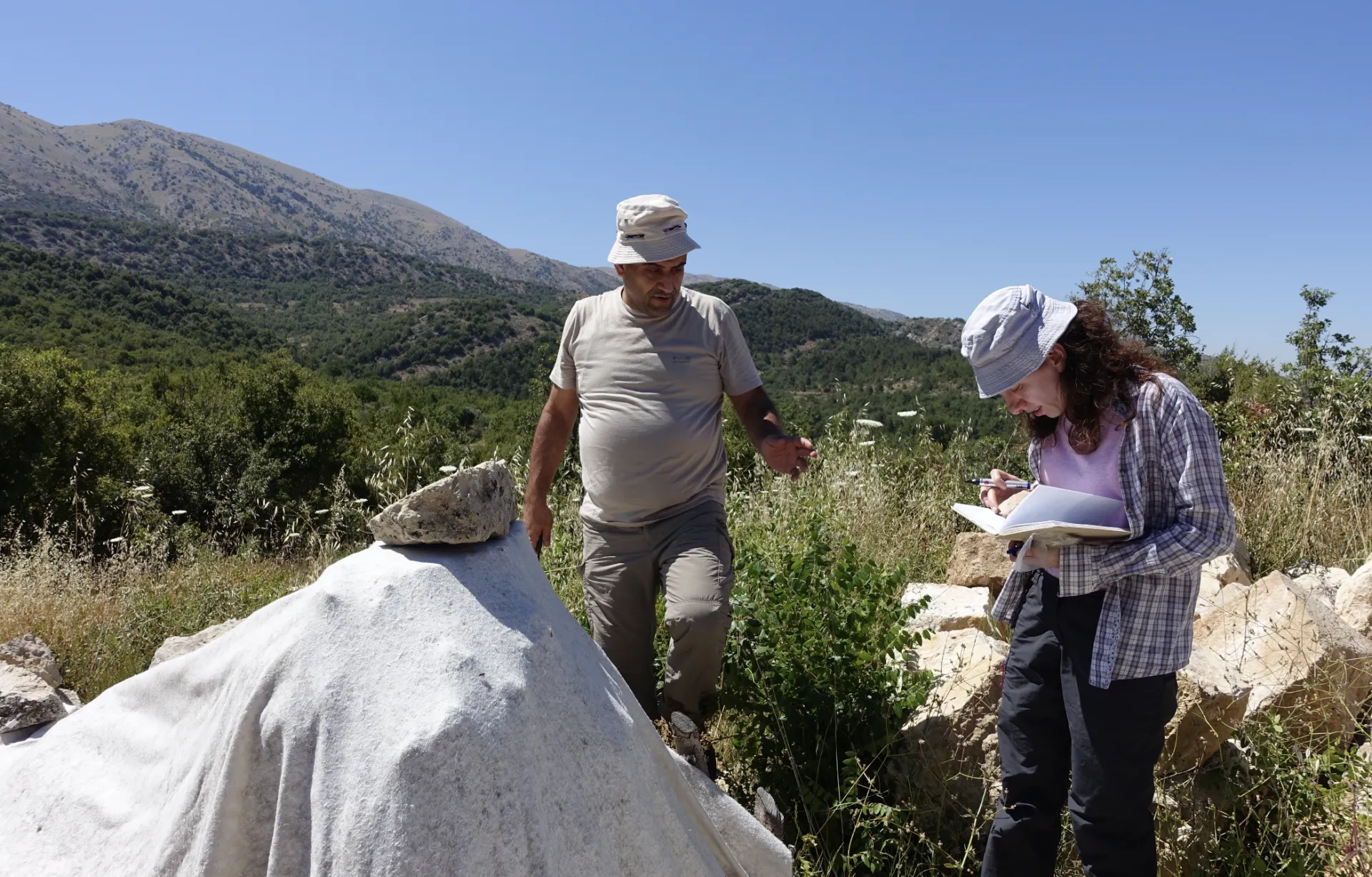
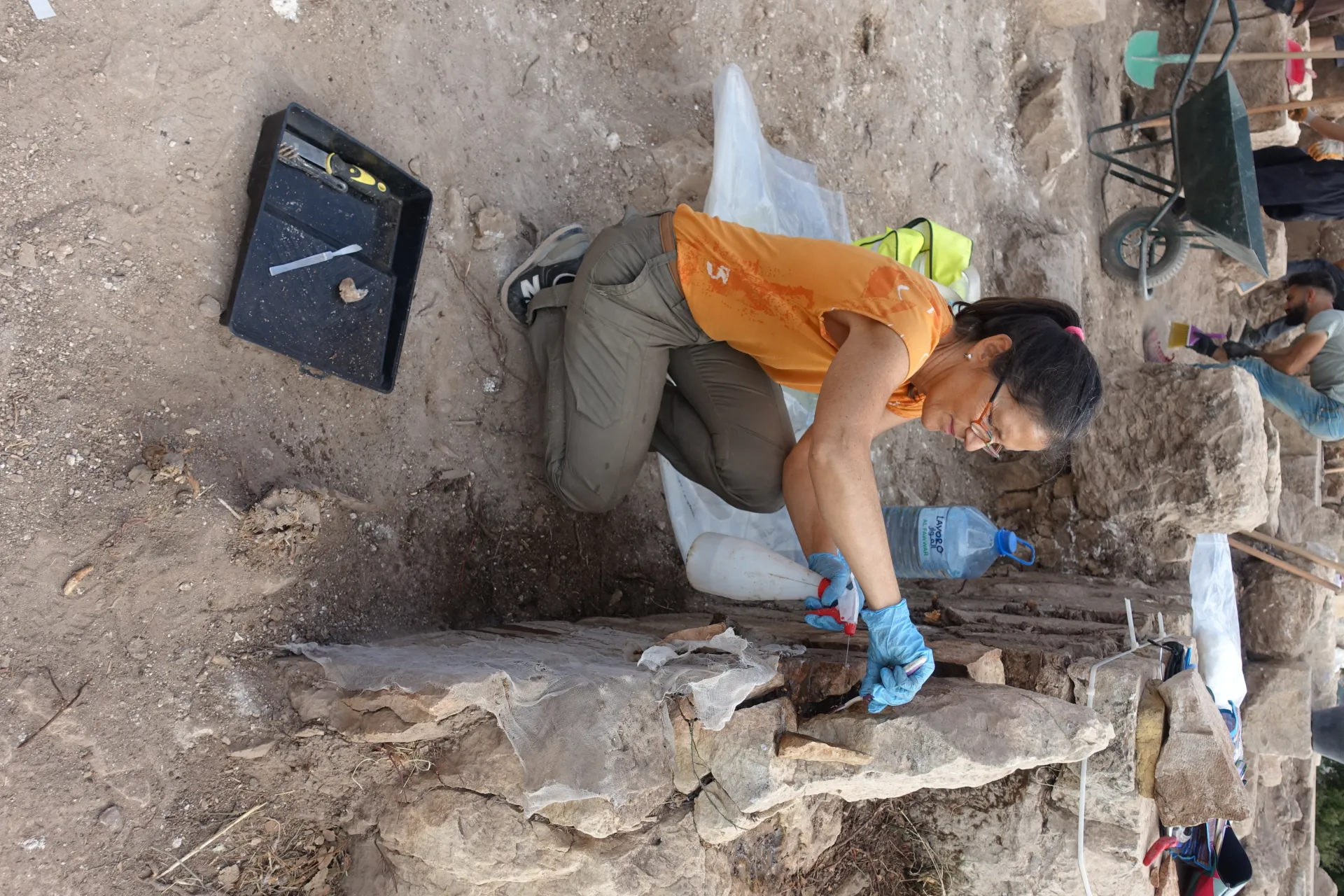
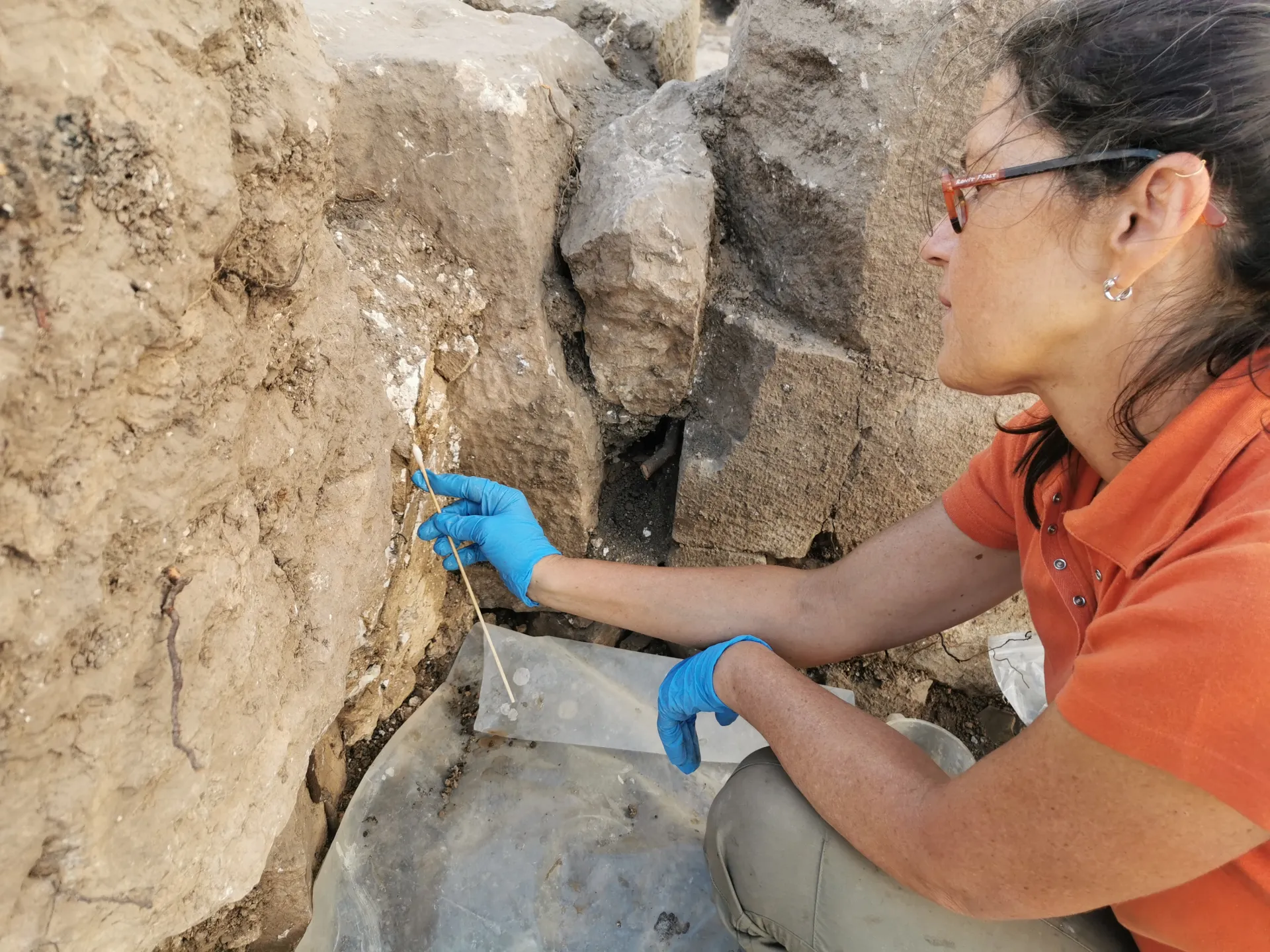
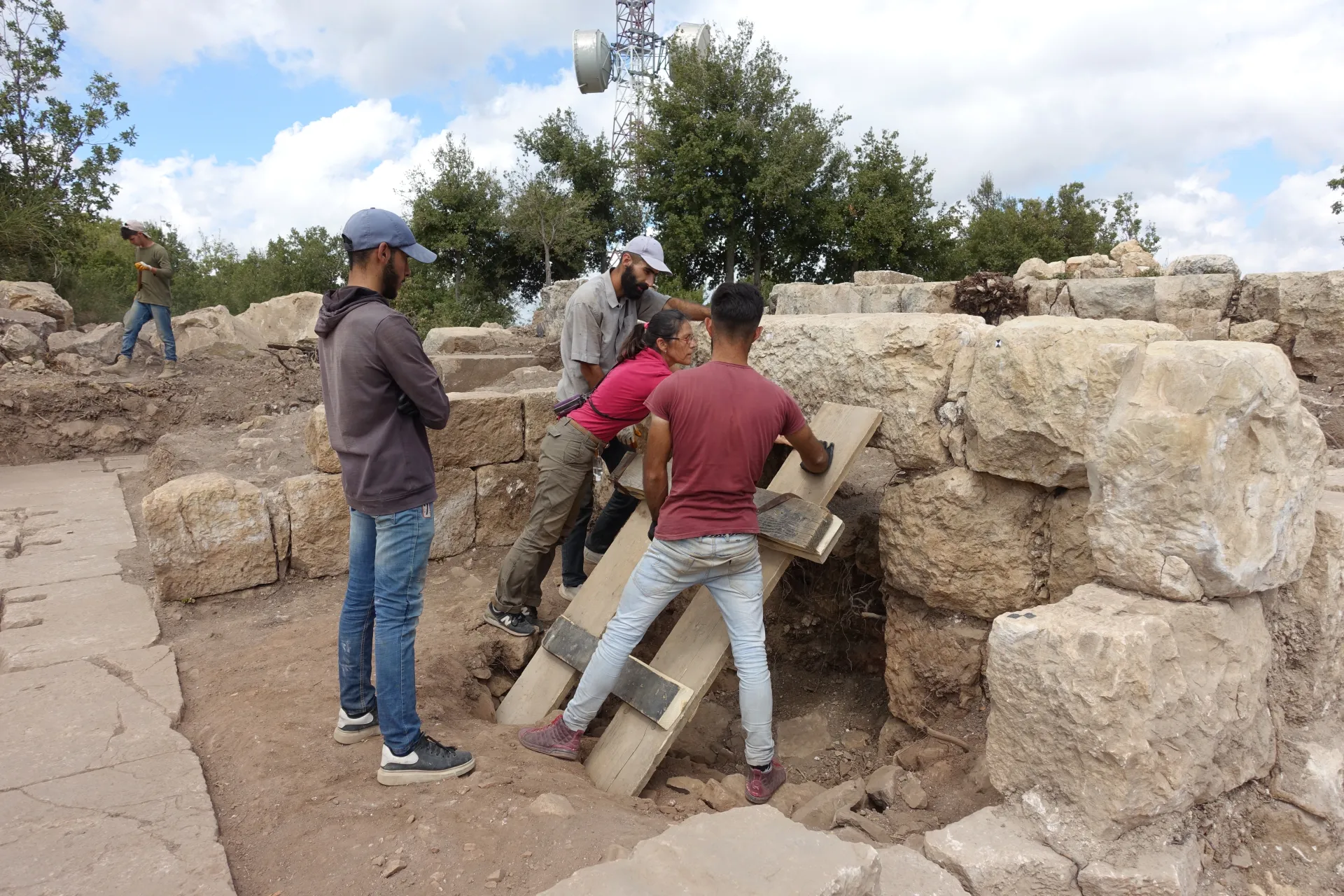
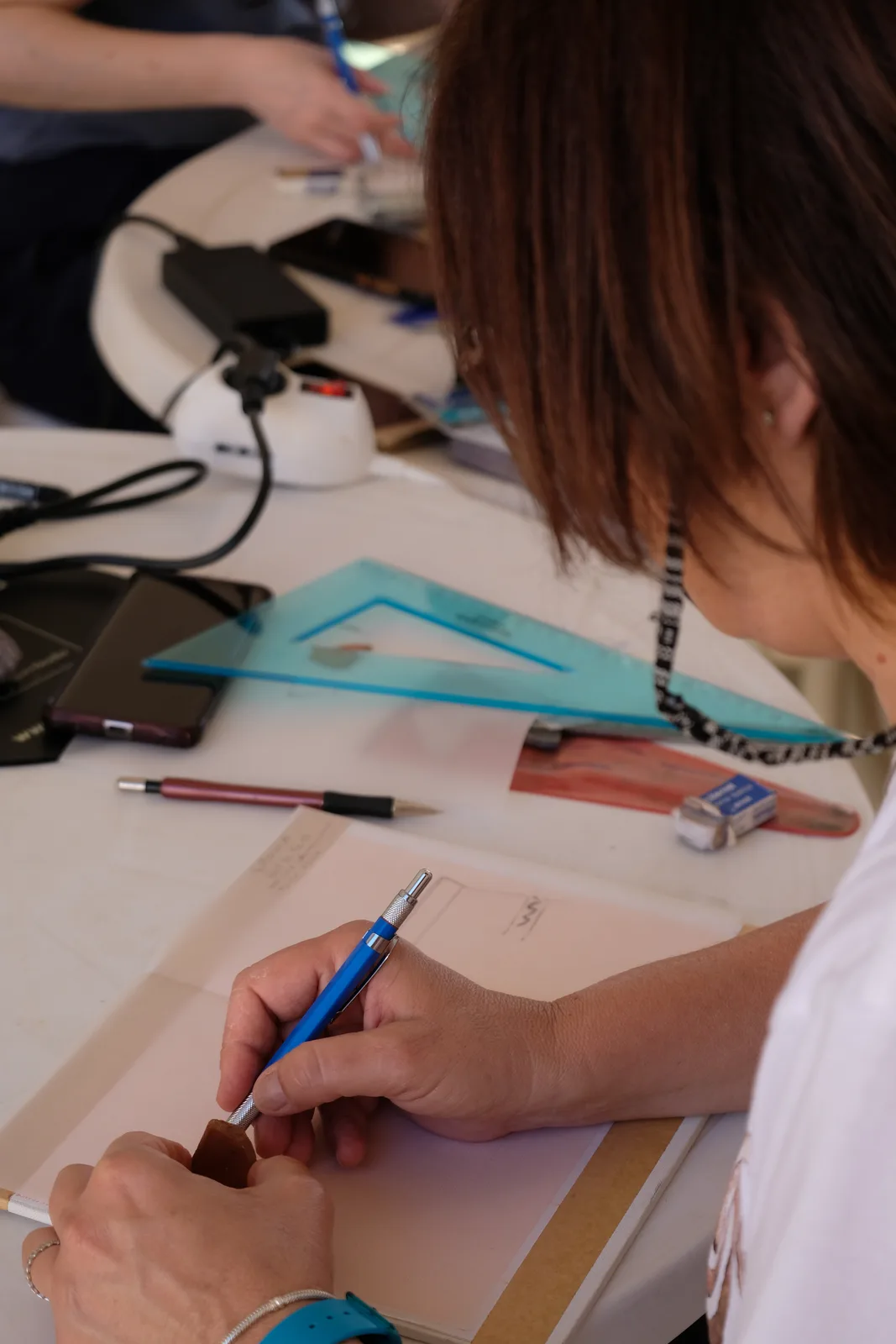
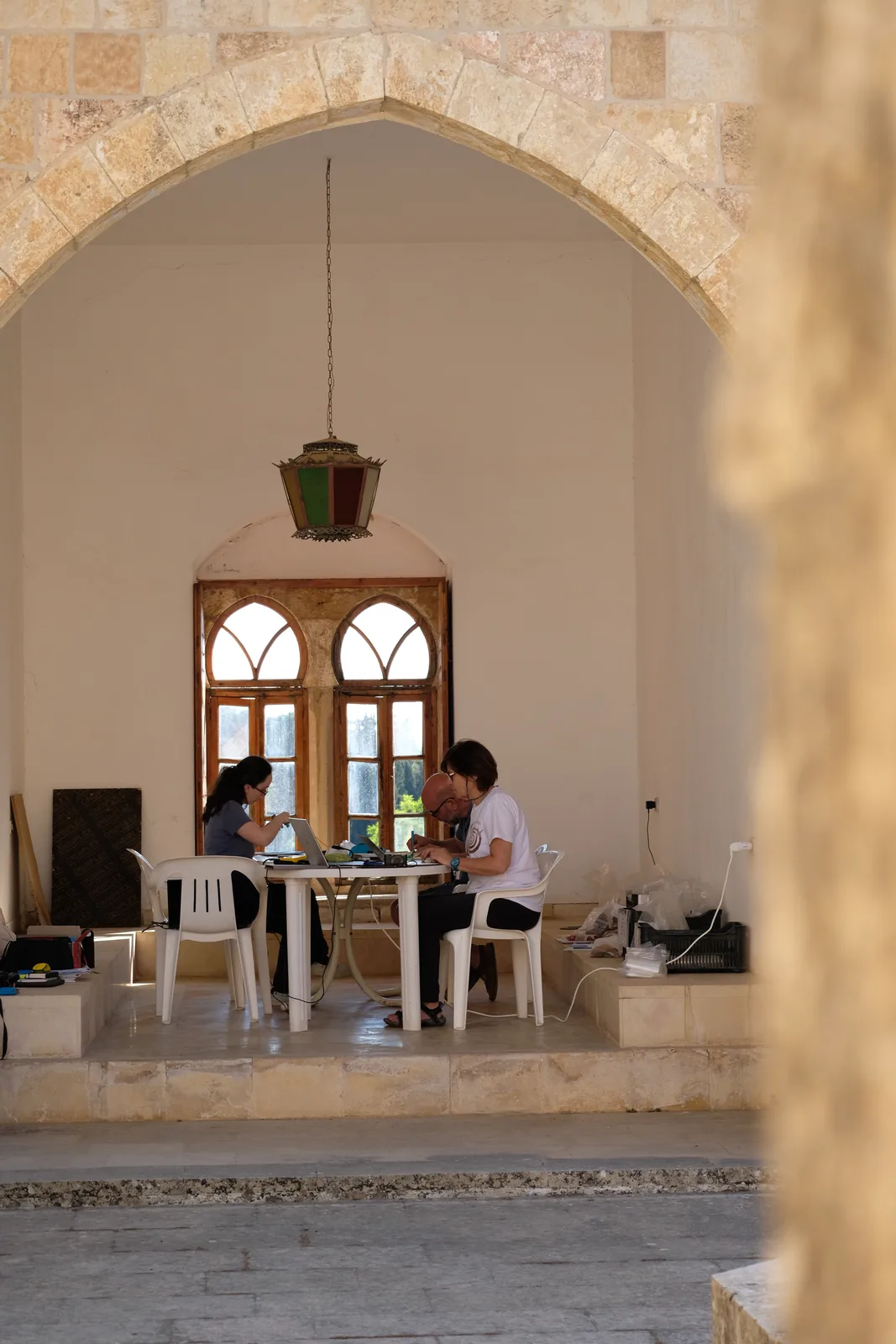
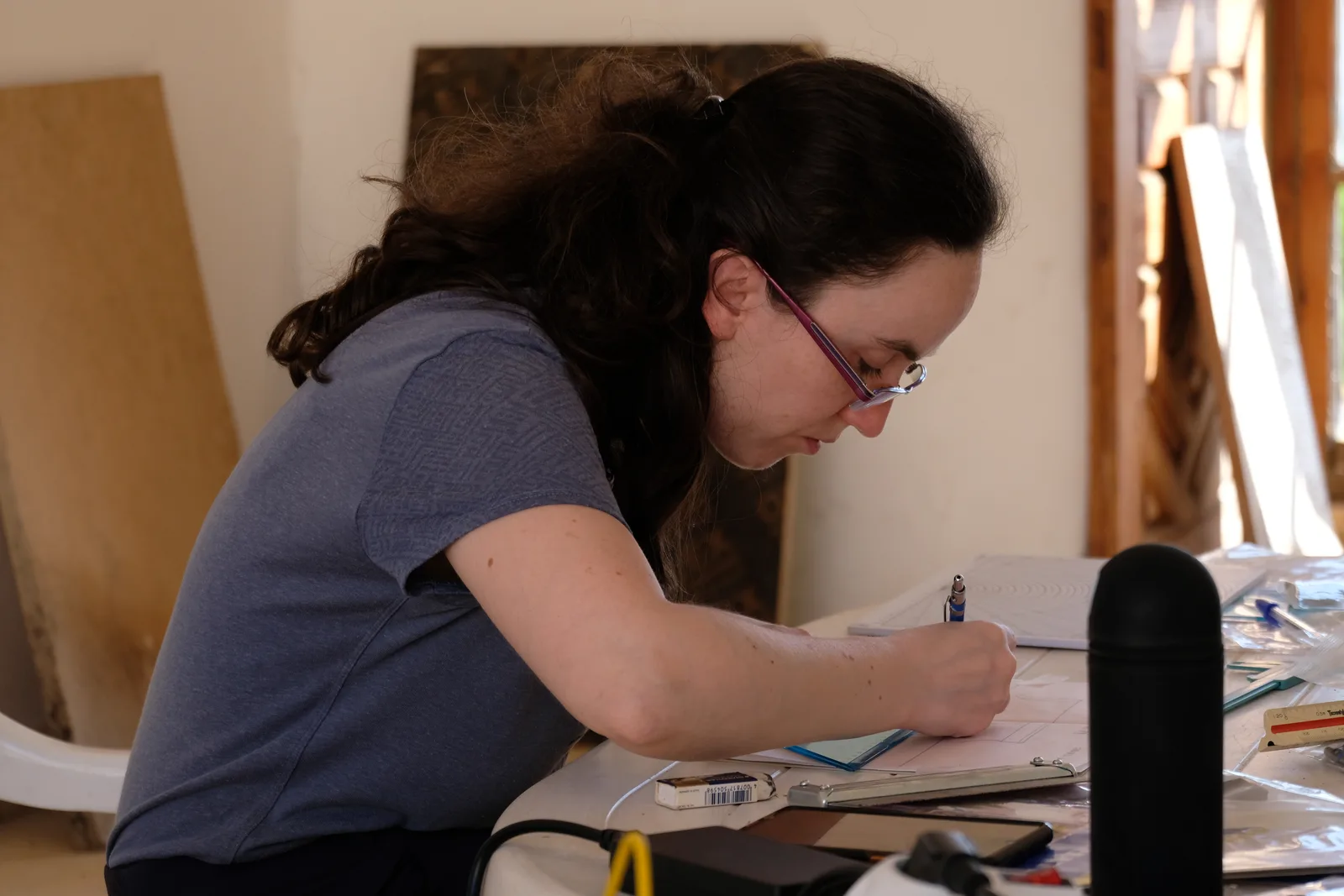
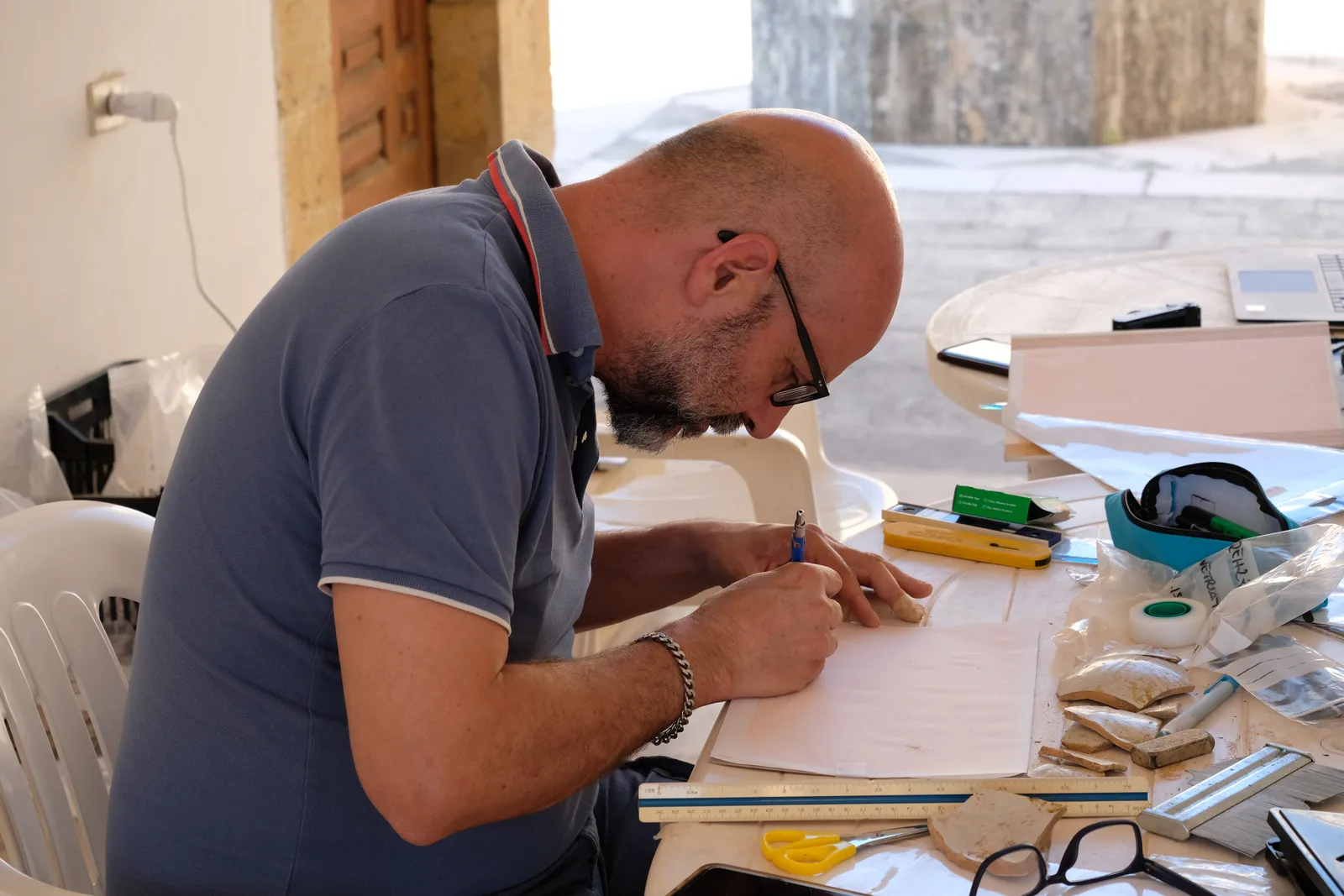
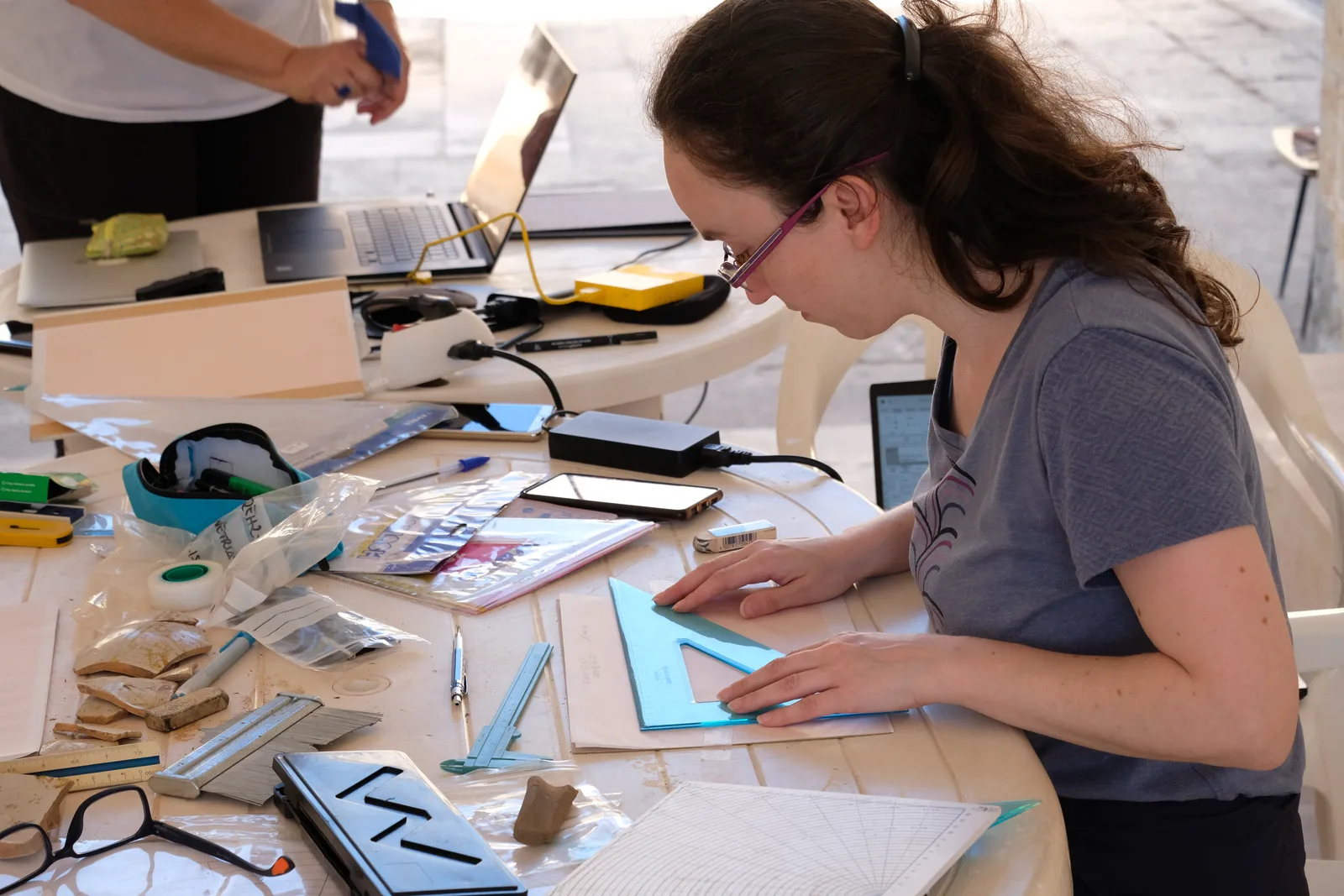
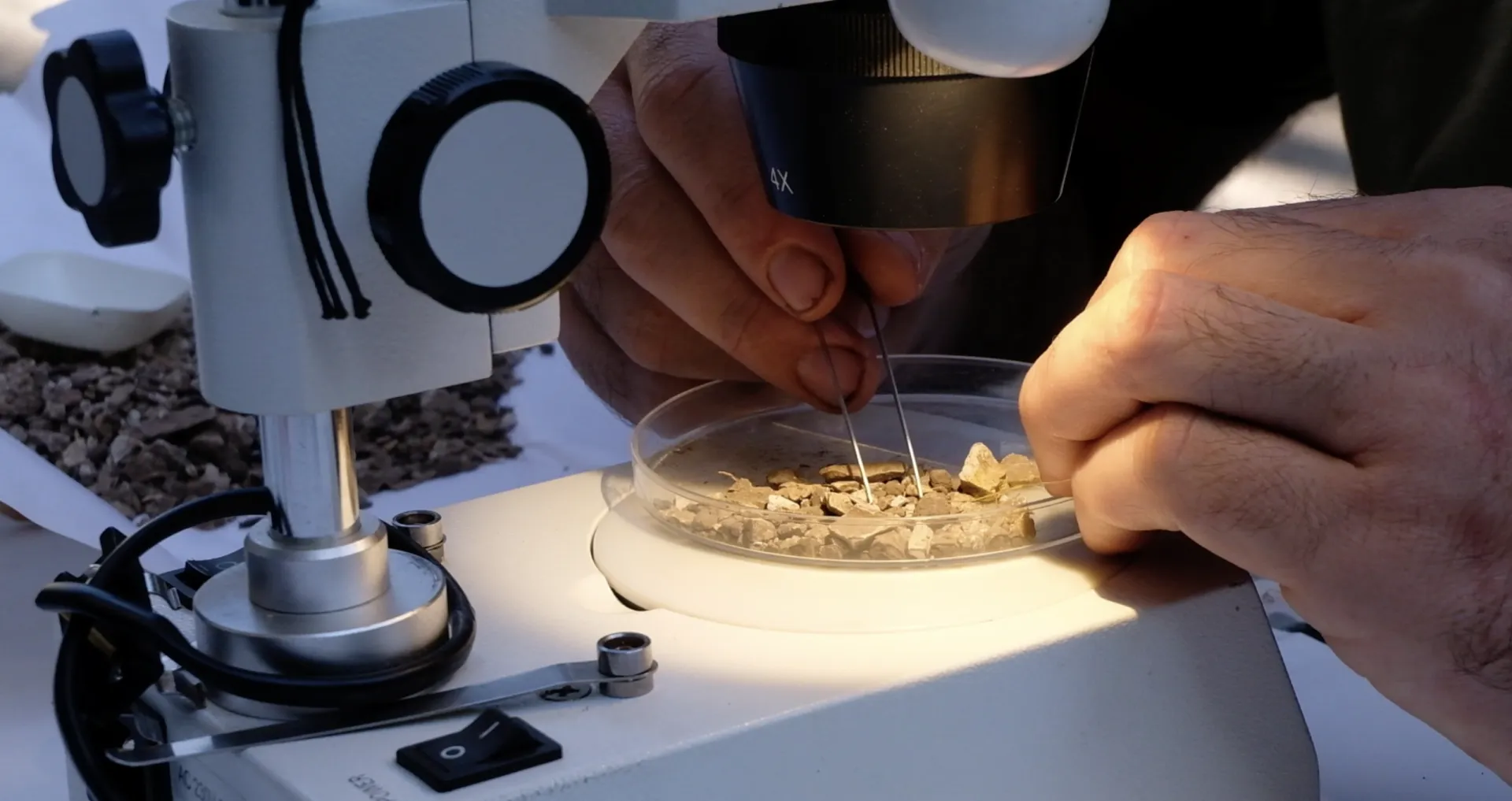
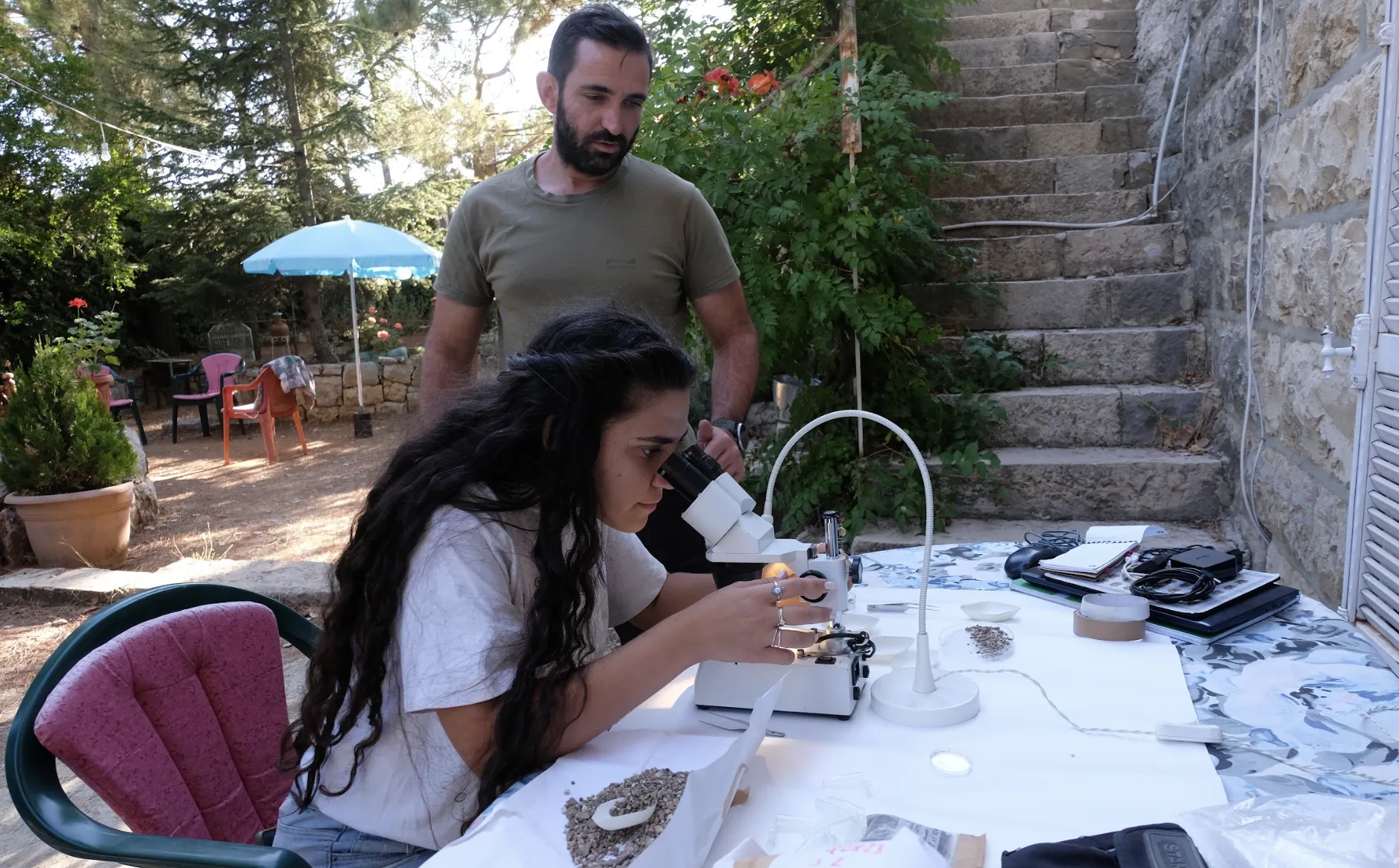
The research project aims, through the archaeological survey of the Maasser el-Shouf territory and the excavation of the Qalaat el-Hosn site, to investigate, with a multidisciplinary approach, the dynamics of climate and landscape change, as well as the phases of transition and occupation of the area between the Beqaa Valley and the Mediterranean coastal strip, spanning from the Bronze Age to the Ottoman period.
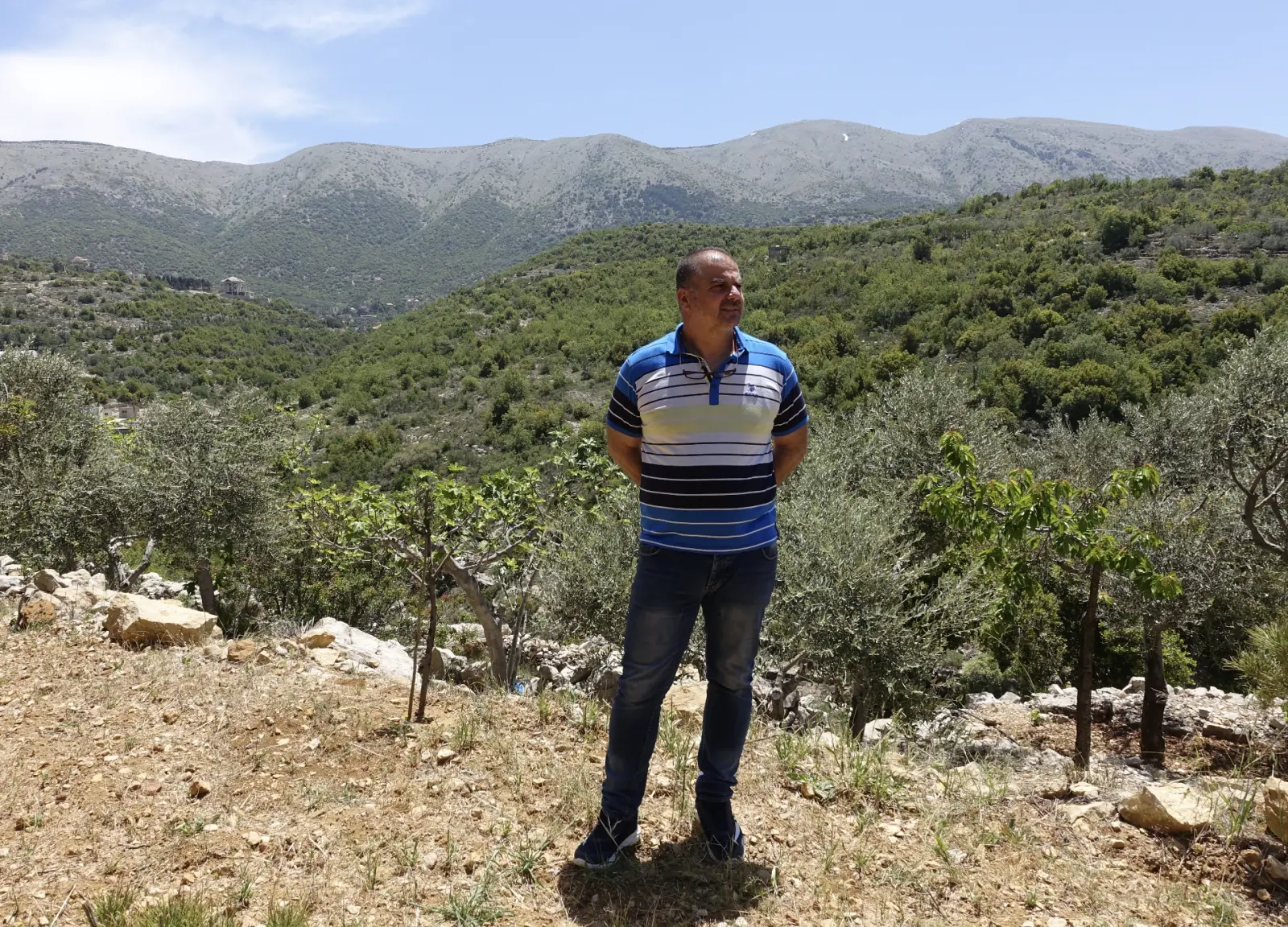
The village of Maasser el-Shouf is located south of the largest protected area in Lebanon, the Shouf Cedar Nature Reserve, a site of great cultural, ecological, and touristic value. Due to its distinctive geomorphological and environmental features, the Upper Shouf region holds significant potential for sustainable tourism development, centred on the enhancement of its archaeological and landscape heritage.
One of the key measures for the preservation of the area has been the inclusion of the Qalaat el-Hosn site among the protected heritage assets under the General Directorate of Antiquities. Surface surveys, archaeological mapping, and documentation of findings have proven to be essential tools for optimizing protection strategies in a region that has been relatively underexplored compared to the Lebanese coastal zone.
A crucial aspect of the project is the collaboration with local authorities responsible for heritage protection, aimed at safeguarding, enhancing, and promoting the accessibility of an archaeological landscape of exceptional density and historical significance.
The project is co-financed by the Italian Ministry of Foreign Affairs and International Cooperation and, within the framework of the Participatory Archaeology program, co-financed by the Italian Cultural Institute in Beirut.